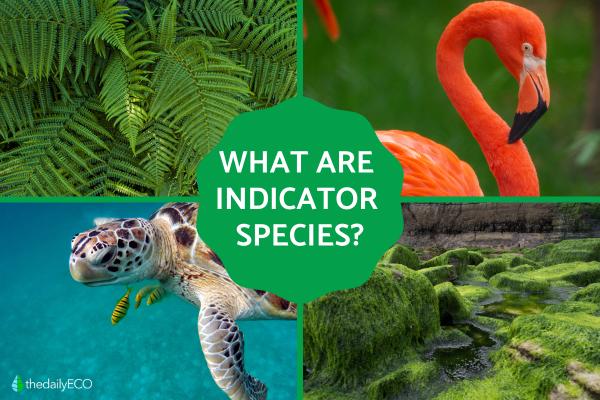
Indicator species act like silent alarms, their presence or absence alerting scientists to potential air, water, and soil pollution. Their presence, absence, or abundance can reveal the environmental conditions of a particular habitat. They are essentially like a canary in a coal mine for the environment.
This article by thedailyECO delves into the science of indicator species. Used by ecologists to assess environmental disturbances, these creatures provide valuable clues about the well-being of our ecosystems.
What are indicator species and their types?
Indicator species are like canaries in a coal mine for the environment. They're living creatures that, due to their specific sensitivities, can tell us a lot about the health of an ecosystem.
Indicator species possess an extraordinary sensitivity to changes in their environment. Pollution, habitat loss, or any disruption to their surroundings triggers a response in these living alarms.
This sensitivity makes them incredibly valuable. Firstly, their presence, or conversely, their absence, can signal potential environmental problems well before they escalate into major issues. We gain valuable early warnings, allowing us to take preventative measures.
Secondly, directly measuring environmental conditions often requires expensive equipment and a significant time investment. Indicator species offer a simpler, more efficient way to assess the health of an ecosystem. Furthermore, their natural presence can often provide more accurate and localized data compared to technological methods.
There are three main types of indicator species:
Signaling environmental disruptions
Indicator species thrive under specific environmental conditions, and their presence or absence acts as a signal for those conditions. A decline in their population or disappearance entirely can serve as an early warning system for potential problems like pollution or habitat degradation.
Certain indicator species are highly sensitive to specific pollutants in their environment, be it air, water, or soil. Their declining populations can alert us to potential contamination issues. For instance, certain lichens are sensitive to air quality and can indicate the presence of pollutants like sulfur dioxide.
Monitoring population dynamics
These species don't directly signal environmental changes themselves, but rather act as mirrors reflecting changes happening to other species. Their value lies in the interconnected relationships within an ecosystem:
Imagine a sudden decline in a forest owl population. By studying indicator species, ecologists might discover a similar decline in the owl's primary prey, perhaps a specific type of rodent. This decline in the rodent population could be due to factors like habitat loss or disease outbreak, which would then indirectly affect the owl population.
Furthermore, some indicator species have symbiotic relationships with other species. For example, a specific type of tree might be home to a particular insect species. If the tree population declines, it likely means a decline in the insect population as well, indicating a potential issue affecting the trees. This type of interdependency is crucial for maintaining the balance within ecosystems.
Assessing biodiversity
Some indicator species, with specific habitat requirements, act as markers for overall ecosystem health. Imagine a rare wildflower species that only thrives in a specific type of wetland. If this wildflower population flourishes, it indicates a healthy wetland ecosystem. A decline, however, could suggest broader issues affecting the entire habitat.
Some indicator species are easily identifiable and have stable populations under normal circumstances. This makes them ideal candidates for studying biodiversity changes over time. For example, studying the diversity of bird species in a particular area can give valuable insights into the overall health of that ecosystem. Additionally, the presence of these species might help identify areas that require conservation efforts.
Curious about the difference between biomes and ecosystems? Dive deeper in this other article.
Examples of fauna indicator species
To truly appreciate the value of indicator species, let's delve deeper. We'll explore their specific roles in environmental monitoring, highlighting some examples:
- Escherichia coli: while commonly associated with illness, certain strains of E. coli act as indicators of fecal contamination in water, alerting us to potential pollution issues. This is especially crucial for maintaining safe drinking water standards.
- Stoneflies (Plecoptera): these aquatic insects are highly sensitive to water quality. Their presence indicates clean, well-oxygenated water, while their absence can signal problems like pollution or habitat degradation.
- Caddisflies (Trichoptera): similar to stoneflies, caddisflies also thrive in clean water and serve as valuable indicators of aquatic health. Their diverse larval cases provide additional insights into environmental conditions.
- Frogs and toads (Anura and Bufonidae): amphibian skin is highly permeable, making them extremely sensitive to environmental changes. Declines in amphibian populations can be an early warning sign of issues like air or water pollution.
- Sparrow (Passer domesticus): bird species can be excellent indicators of habitat health. Their presence or absence can reveal changes in prey availability, habitat fragmentation, or the impact of human activity on the ecosystem. For example, sparrows often indicate urban ecosystem health.
- Freshwater mussels (Unionidae): these filter feeders are particularly sensitive to water quality and pollution. Their diverse species serve as indicators of overall ecosystem health and biodiversity in freshwater environments. Their decline can also indicate sedimentation issues.
- Trout and salmon (Oncorhynchus and Salmo): healthy populations of these fish species often indicate clean, well-oxygenated water and a healthy food web. Declines in their populations can signal problems like habitat loss, pollution, or overfishing. Their presence often supports recreational fishing industries, underscoring economic as well as ecological importance.
- Turtles and snakes (Testudines and Serpentes): certain reptile species can be valuable indicators of habitat health and prey availability. Their specific dietary needs and habitat preferences can provide insights into the overall health of the ecosystem. They also reflect the impacts of climate change, as many are sensitive to temperature changes.
This list provides a glimpse into the diverse world of indicator species. However, countless species across the animal kingdom play vital roles in environmental monitoring. Each species contributes uniquely to our understanding of ecological balance and environmental health.

Examples of flora indicator species
Plants may not speak, but they have a powerful way of communicating the health of their environment. They act as vital bioindicators, both in sparkling lakes and lush forests, playing a crucial role in revealing environmental changes. Here's how:
- Sensitive Fern (Onoclea sensibilis): this fern species is highly sensitive to changes in soil moisture and acidity levels, making it a useful indicator of wetland health. Its presence can also highlight changes in hydrological patterns.
- Common Butterwort (Pinguicula vulgaris): these are carnivorous plants that thrive in nutrient-poor environments. Their presence can indicate habitats with low nutrient levels, such as bogs and fens. This can be particularly useful for understanding nutrient cycles in these unique habitats.
- Mosses (Various species): certain moss species, like Sphagnum moss, are sensitive to air and water pollution. Monitoring their presence and abundance can provide insights into the health of ecosystems. They are often used in studies related to atmospheric deposition.
- Goldenrod (Solidago spp.): these are often used as indicators of soil moisture levels and soil fertility. They tend to thrive in well-drained soils and can indicate areas with suitable conditions for other plant species. Moreover, their blooming can signify seasonal changes.
- Purple Loosestrife (Lythrum salicaria): this invasive plant species is often used as an indicator of wetland degradation. Its rapid spread and displacement of native vegetation can signal ecosystem disturbance. Understanding its spread can aid in managing invasive species.
- Touch-me-not plant (Mimosa pudica): this is a highly sensitive to touch and environmental changes. Its rapid response to stimuli makes it a useful indicator of ecosystem disturbance and sensitivity to environmental stressors. Observations of its reactions can contribute to studies on plant sensitivity and response mechanisms.
Before you head out, take a peek at our other article for tips on protecting nature's delicate ecosystems.

If you want to read similar articles to What Are Indicator Species?, we recommend you visit our Biology category.
- Indicators: Benthic Macroinvertebrates (U.S. Environmental Protection Agency)
- Catalá, EI (2011). The concepts of indicator species, umbrellas, flags and keys: their use and abuse in conservation ecology. Inter Ciencia Magazine , Volume 36(1), pp: 30-35.
- Cohn-Berger, G. & Quezada, M. (2016) Lichens as bioindicators of air pollution in the metropolitan corridor of Guatemala City. USAC Scientific Journal, Vol 26(1), pp: 12-16.