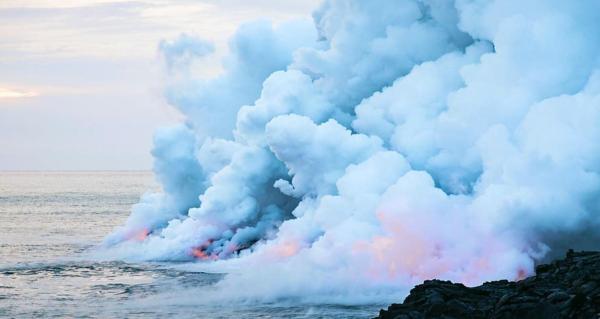
Submarine volcanoes, a remarkable phenomenon hidden beneath the ocean's surface, offer a fascinating glimpse into the dynamic and ever-changing nature of our planet. These volcanic structures possess the power to shape the underwater landscape and influence the delicate ecosystems thriving in the depths.
This article from thedailyECO explores what submarine volcanoes are, their formation, characteristics, and the fascinating role they play in the mysterious ocean beneath the waves.
What are submarine volcanoes?
Submarine volcanoes are a fascinating natural phenomenon that occurs at the bottom of the ocean. Similar to how lava flows on the Earth's surface during volcanic eruptions, underwater volcanoes release lava beneath the water. These remarkable structures are responsible for the formation of new oceanic crust and provide insights into the geological processes that shape our planet.
These volcanic activities have both destructive and constructive effects on the surrounding environment. While they can damage the ocean floor and disrupt existing ecosystems, they also release nutrients that support bacterial survival and can lead to the emergence of new species. For instance, the ash and minerals released during eruptions can enhance marine productivity, supporting vibrant food webs in otherwise nutrient-sparse regions.
Most submarine volcanoes form in oceanic spreading zones, where tectonic plates separate, allowing hot magma from the Earth's mantle to rise to the surface. As the magma approaches the water's surface, it cools rapidly due to the lower temperature of the surrounding water, solidifying into volcanic rocks. This process is essential in creating the seafloor and contributes to the cyclical regeneration of the Earth's crust.
The ascent of magma can result in various volcanic events, such as eruptions and lava flows. Compared to volcanic eruptions on land, submarine eruptions are generally less explosive because the water pressure regulates the release of gases and volcanic materials. Nevertheless, they can still produce impressive sights, including lava flows, smoke and ash plumes, and the release of gases. These visual phenomena, while difficult to observe directly, are crucial in understanding volcanic activity.
Submarine volcanic activity can give rise to distinctive structures like volcanic cones, calderas, and hydrothermal vents. Hydrothermal vents are openings in the ocean floor through which hot, mineral-rich fluids emerge. These underwater hydrothermal systems support unique ecosystems and a diverse array of life forms that have adapted to extreme conditions. Some species, such as giant tube worms and unique crustaceans, rely entirely on the chemicals in these vents for survival, a process known as chemosynthesis.
Submarine volcanoes play a significant role in the geological processes and dynamics of the Earth. They contribute to the formation and evolution of the ocean floor and release gases and heat into the oceans. This activity not only influences ocean chemistry and temperature but can also impact global climate patterns over geological timescales.
Don't miss out on our other article, where we provide a detailed explanation of the distinction between lava and magma.

How are submarine volcanoes formed?
Submarine volcanoes originate from volcanic activity that takes place beneath the ocean's surface, primarily driven by the interplay of tectonic plates. The process of plate tectonics involves the movement and interaction of these plates within the Earth's crust. This dynamic process is a fundamental aspect of Earth's geology, responsible for the creation of mountain ranges, earthquakes, and volcanic activity.
In regions known as oceanic spreading zones, such as the mid-ocean ridge system, tectonic plates gradually diverge from each other. As the plates separate, a gap or fissure is formed in the Earth's crust. This gap acts as a channel through which magma can rise, feeding the submarine volcanoes.
This opening provides an avenue for hot, molten magma to ascend from the Earth's mantle toward the ocean floor. The magma found in these oceanic spreading zones tends to be less viscous compared to magma found in terrestrial volcanic zones. The pressure exerted by the water on the submerged magma causes it to cool and solidify more rapidly. As a result, submarine volcanoes generally exhibit less explosive eruptions when compared to their terrestrial counterparts.
As the magma rises towards the surface, it continues to cool and solidify, giving rise to various volcanic rock formations such as basalt and andesite. These volcanic rocks accumulate in layers, contributing to the formation of submarine volcanic cones. Over time, submarine volcanoes can grow and evolve, with their shape influenced by the frequency and number of volcanic eruptions they experience. Moreover, the constant accumulation of volcanic material can eventually lead to the emergence of new islands.
Submarine volcanic activity can also give rise to unique features known as hydrothermal vents. These vents are openings in the ocean floor through which hot, mineral-rich fluids are released. The presence of these underwater hydrothermal systems is of great scientific interest due to the exceptional ecosystems they support. Life forms that thrive in these extreme underwater environments have adapted to the challenging conditions presented by hydrothermal vents, showcasing nature's incredible resilience and adaptability.
You may find this other article intriguing as we delve into the captivating world of the volcano snail, an extraordinary creature with an almost alien-like appearance. This snail, living near hydrothermal vents, has evolved to withstand high temperatures and pressures, providing a glimpse into the adaptability of life in harsh environments.

How many underwater volcanoes are there?
Determining the precise number of submarine volcanoes worldwide is a complex task due to the challenges associated with exploring and mapping the vast expanse of the ocean floor. However, it is estimated that there are thousands of submarine volcanoes scattered throughout the world's oceans. This vast number highlights the extensive volcanic activity that occurs beneath the sea, often unnoticed due to the inaccessibility of these regions.
A significant portion of submarine volcanic activity occurs in regions of oceanic expansion, particularly along mid-ocean ridges where tectonic plates separate, providing an avenue for magma to ascend. These areas are known to harbor a considerable concentration of submarine volcanoes. The continuous movement of tectonic plates ensures that these volcanic systems remain active, constantly reshaping the ocean floor.
In addition to active submarine volcanoes, there are also dormant or extinct ones that have remained inactive for extended periods. These volcanoes can be identified by their distinctive morphology and the presence of volcanic rocks. Studying these dormant structures offers valuable insights into the history of Earth's geological activity and helps scientists understand past environmental changes.
Overall, it is estimated that there are thousands of underwater volcanoes in the world's oceans. Here are some most famous submarine volcanoes in the world:
- Axial Seamount, USA: located off the coast of Oregon, Axial Seamount is one of the most extensively studied submarine volcanoes. It has a large caldera and is known for its frequent eruptions and hydrothermal vent systems. It serves as a natural laboratory for scientists studying underwater volcanic activity.
- Kavachi, Solomon Islands: Kavachi is an active submarine volcano located in the Solomon Islands. It is known for its frequent eruptions, creating explosive plumes and temporary islands that often submerge shortly after formation. These events provide a unique opportunity to witness the birth and disappearance of new land.
- Kick 'em Jenny, Caribbean: Kick 'em Jenny is an active submarine volcano located in the Caribbean Sea, near Grenada. It is one of the most active underwater volcanoes in the region and is closely monitored due to the potential for tsunamis. Its activity poses both a fascinating subject of study and a concern for nearby communities.
- Loihi Seamount, USA: Loihi Seamount is an active volcano located off the coast of the Big Island of Hawaii. It is considered the youngest volcano in the Hawaiian-Emperor seamount chain and is currently in its submarine phase, with the potential to emerge as a new island in the future. This potential emergence underscores the dynamic nature of volcanic processes in the Pacific.
- Brothers Volcano, New Zealand: the Brothers Volcano is an underwater volcano situated near the Kermadec Islands, northeast of New Zealand. It is known for its hydrothermal vent systems and diverse marine life. The volcano's unique ecosystem offers valuable insights into the adaptability of life in extreme conditions.
Make sure to read our other article, which delves into the topic of volcanoes, covering their formation, characteristics, and the various types of volcanoes found worldwide.
If you want to read similar articles to What Are Submarine Volcanoes?, we recommend you visit our Facts about nature category.
- Writing of Vista al Mar (July 10, 2012). 10 + 1 amazing underwater volcanoes . Ocean View. Available at: https://www.vistaalmar.es/medio-ambiente/fenomenos-naturales/2564-10-increibles-volcanes-submarinos.html