Plants That Smell Like Lemon

 Add us on Google
Lemon, with its citrusy aroma, holds a special place in our hearts. It's a fragrance that resonates with everyone, from the subtle elegance of perfumes to the fresh scent of household cleaning products. We're drawn to its refreshing nature and find comfort in its familiarity.
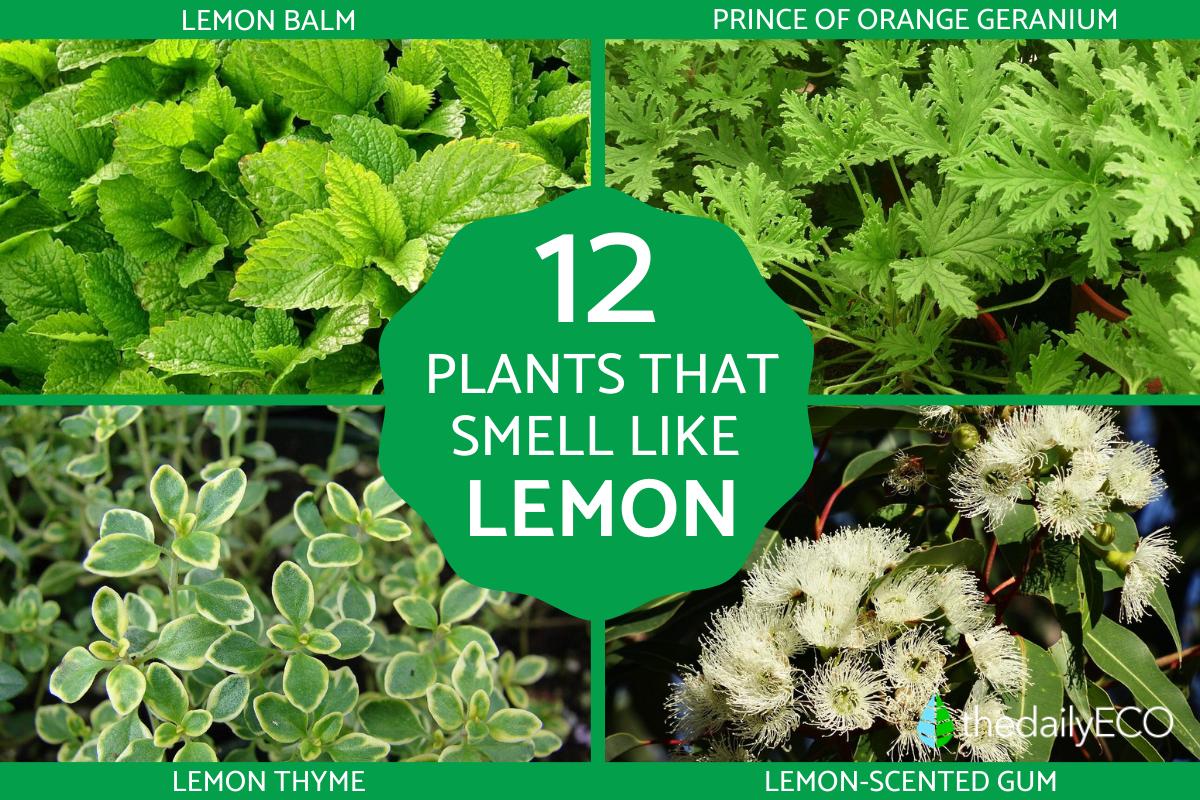
This is why, in the following article by thedailyECO, we have listed 12 plants that smell like lemon. Let the natural beauty and refreshing scent of these plants transport you to a serene and uplifting realm of citrus bliss.
- Lemongrass (Cymbopogon citratus)
- Citronella grass (Cymbopogon nardus)
- Lemon balm (Melissa officinalis)
- Lemon beebrush (Aloysia citrodora)
- Prince of Orange Geranium (Pelargonium citrosum)
- Lemon thyme (Thymus citriodorus)
- Lemon Basil (Ocimum x citriodorum)
- Lemon-scented gum (Corymbia citriodora)
- Lemon myrtle (Backhousia citriodora)
- litsea cubeba (Litsea cubeba)
- Lemon ironbark (Eucalyptus staigeriana)
- Olive tea-tree (Leptospermum liversidgei)
Lemongrass (Cymbopogon citratus)
Lemongrass, a herb with long, straight leaves resembling grass, emits a refreshing lemon fragrance when chopped. Widely used as a cost-effective alternative to actual lemons, it adds a delightful lemony touch to infusion blends without the need for the fruit itself.
Known for its rich aroma, lemongrass is often brewed as a standalone herbal tea, offering a multitude of benefits including relaxation, pain relief, anti-inflammatory properties, and antimicrobial effects. This herb thrives in warm climates but is sensitive to frost, requiring suitable growing conditions.
Additionally, lemongrass has been studied for its potential in lowering cholesterol levels and aiding digestion, making it a versatile plant both in culinary and medicinal applications.

Citronella grass (Cymbopogon nardus)
This distinct species of Cymbopogon shares striking similarities with lemongrass, yet stands apart due to its essential oils, used to create the renowned citronella extract. Citronella, a potent compound derived from this species, finds wide application as an industrial insecticide, frequently infused into candles, creams, and sprays to repel mosquitoes effectively.
Unlike the variety used for herbal infusions, this species possesses stronger properties, rendering it unsuitable for human consumption. Embrace the power of citronella as a natural and reliable solution for keeping pesky mosquitoes at bay, while appreciating its differences from the more culinary-friendly lemongrass.
In addition to its insect-repelling capabilities, recent studies have explored its potential in reducing stress and promoting relaxation, contributing to its growing popularity in aromatherapy.

Lemon balm (Melissa officinalis)
Lemon balm, a herb cherished for its calming effects, is often utilized in herbal infusions to promote restful sleep. Its gentle sedative properties make it an excellent choice for those seeking relaxation and tranquility. Additionally, lemon balm's essential oil is extracted and widely used in the perfume industry.
Despite belonging to the mint family, lemon balm stands out with its distinct lemony fragrance. The plant's attractive flowers hold great appeal to bees, making it a favored choice among beekeepers. In fact, the name "melissa" is derived from Greek, meaning honey bee.
Moreover, lemon balm has shown potential in enhancing cognitive function and alleviating symptoms of stress and anxiety, making it a multifaceted herb with numerous health benefits.

Lemon beebrush (Aloysia citrodora)
Originating from South America, this particular plant exudes a remarkably strong lemon fragrance, which becomes even more potent when dried. Additionally, it carries a pleasant menthol aroma. Known for its various therapeutic properties, this herb is commonly used in infusions for its calming effects, aiding digestion, and promoting muscle recovery post-exercise.
Explore the soothing qualities of this lemon-scented gem, as it transports you to a realm of tranquility and well-being. Its versatility extends to culinary uses, where it adds a lemony zest to desserts and beverages, enhancing their flavor profile.

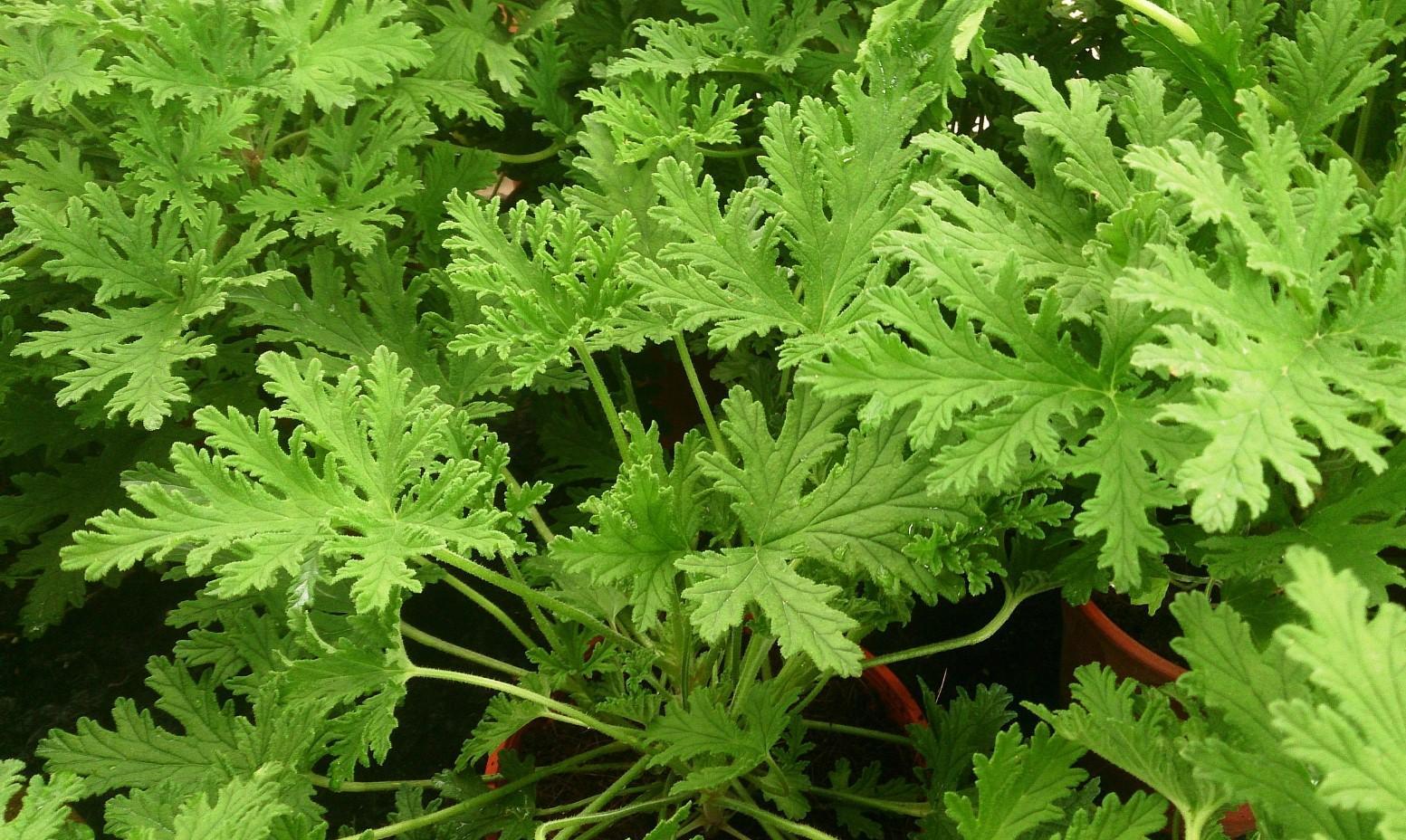
Prince of Orange Geranium (Pelargonium citrosum)
The Prince of Orange Geranium, also known by its unique name, captivates with its lemon-scented qualities reminiscent of citronella. This captivating species is often employed as a natural mosquito repellent, making it a popular choice for gardens and areas frequented by insects. With its hairy leaves, a gentle rub releases a refreshing lemon aroma.
Notably, the Prince of Orange Geranium finds diverse applications, extending beyond insect deterrence. It is utilized in confectionery and can even be placed in bags to eliminate unwanted odors, such as cigarette smoke.
Its aesthetic appeal, coupled with its practical uses, makes it a valuable addition to any garden, offering both beauty and functionality.

Lemon thyme (Thymus citriodorus)
Thyme, known for its robust flavor, takes on a delightful twist with this specific species, emanating a lemony aroma from its leaves. Its rounded leaves and sprawling stems form a dense mat-like covering on the ground.
Widely utilized in Mediterranean cuisine, this versatile herb is also favored in gardening for its ground-covering properties, making it ideal for decks and beds. Notably, this thyme species exhibits excellent drought tolerance. Furthermore, like other thyme varieties, it produces nectar that acts as a magnet for a diverse array of pollinators.
In addition to its culinary uses, lemon thyme is recognized for its potential antibacterial properties, making it a beneficial plant for both flavor and health.

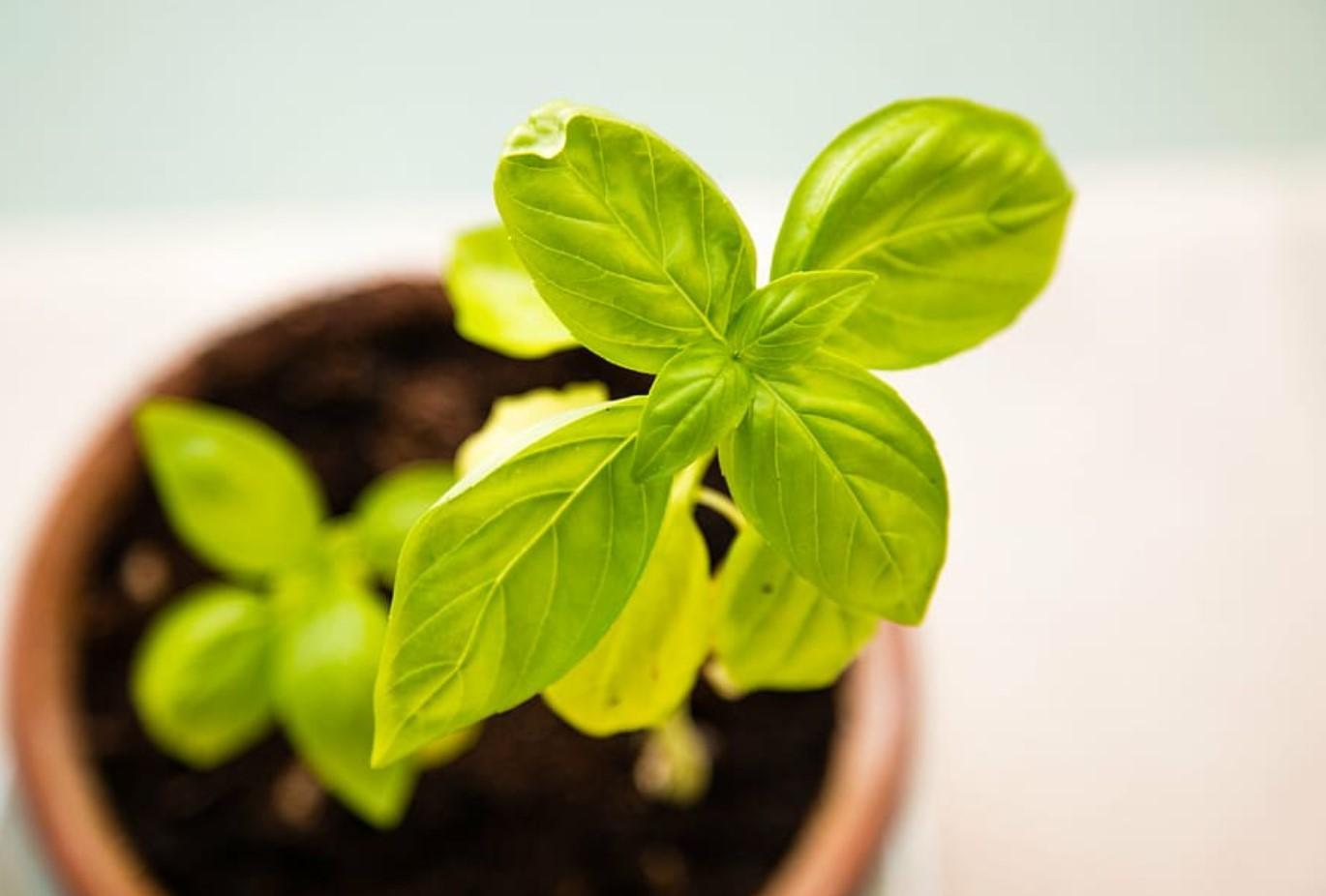
Lemon Basil (Ocimum x citriodorum)
This delightful hybrid combines the flavors of American basil and sweet basil, resulting in a tantalizing fusion accompanied by a citrusy aroma.
Its unique characteristics make it a perfect choice for infusing cooking oils, adding a distinctive touch to various dishes. Additionally, it shines as an infusion ingredient, imparting its refreshing citrus notes to create a truly memorable beverage.
Lemon basil also plays a role in traditional medicine, where it is used to treat mild digestive issues and enhance appetite.

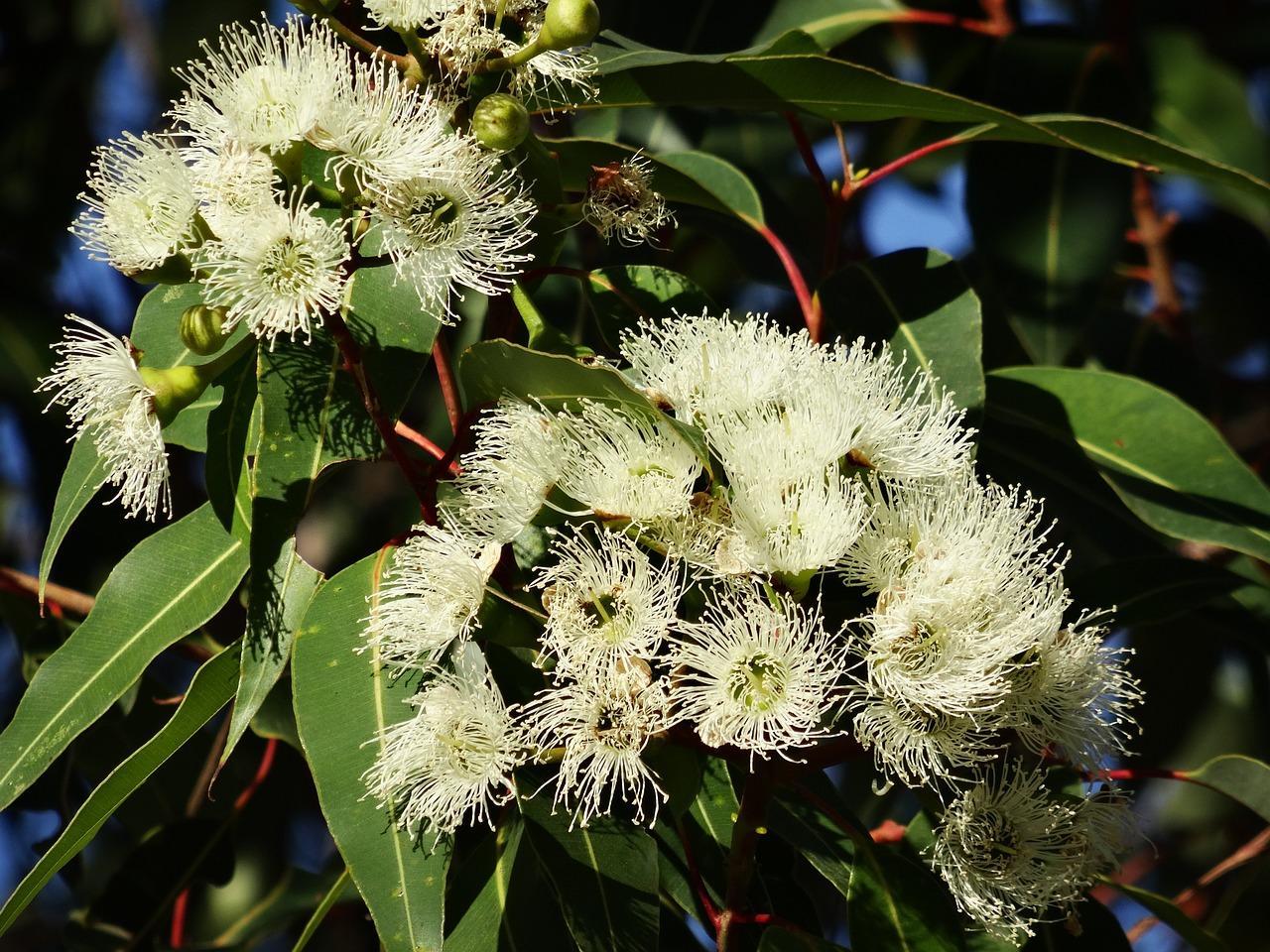
Lemon-scented gum (Corymbia citriodora)
Experience the captivating blend of eucalyptus and lemon, as their distinct aromas intertwine in perfect harmony.
This tropical tree, reaching heights of up to 50 meters, carries leaves that exude a refreshing lemon scent. While primarily cherished as a majestic forest tree, it also serves a practical purpose in the extraction of essential oils for mosquito repellent.
Beyond its insect-repelling properties, research has suggested its potential in providing relief from respiratory issues, highlighting its multifaceted applications.

Lemon myrtle (Backhousia citriodora)
Originating from Australia, this extraordinary plant has been revered by Aboriginal communities for its medicinal and culinary virtues throughout history.
Its captivating lemon aroma is attributed to its high citral content, earning it the well-deserved title of the Queen of lemon herbs. Not only is its essential oil extracted for various purposes, but it is also commonly used to add a delightful citrus flavor to dishes or create aromatic infusions.
Furthermore, its ornamental appeal makes it a splendid addition to gardens, thanks to its expansive treetop adorned with abundant clusters of white flowers.
Recent studies have highlighted its antimicrobial properties, positioning lemon myrtle as not only a flavorful addition to cuisine but also a potential natural preservative.

litsea cubeba (Litsea cubeba)
Hailing from Southeast Asia, this shrub boasts an abundance of petite yellow and white flowers that grace its branches. What sets it apart is its distinct lemon fragrance, emanating from both the leaves and the fruits. This unique plant is meticulously processed to extract a lemony essential oil highly valued in the perfumery industry.
Moreover, the essential oil derived from Litsea cubeba offers relaxing properties, making it a sought-after ingredient in aromatherapy.
In addition to its aromatic allure, its essential oil is being explored for potential use in skincare products, thanks to its purported astringent properties.

Lemon ironbark (Eucalyptus staigeriana)
Ironbark, a distinct group of eucalyptus trees characterized by their grooved trunks, exhibits a captivating lemon scent in this particular species. The leaves of these trees find versatile applications, serving as an infusion ingredient, a culinary spice, and a source for extracting essential oils for various purposes.
Discover the aromatic wonders of ironbark, as its lemon-scented foliage adds a delightful twist to your infusions, culinary creations, and aromatic concoctions.
Additionally, the essential oil of lemon ironbark has been investigated for its potential antimicrobial and anti-inflammatory properties, further broadening its uses beyond culinary applications.

Olive tea-tree (Leptospermum liversidgei)
Hailing from Australia, the olive tea-tree is a shrub that delights with its native charm. Adorned with elegant white or pink flowers, it serves as an exquisite ornamental addition to gardens, showcasing its resilience by tolerating moderate frosts.
What sets this plant apart is its leaves, emitting a captivating lemon fragrance. Extracted into essential oils, such as citronella, the lemon essence of the olive tea-tree finds application in various domains, including perfumery and artificial flavoring.
The essential oil is also being studied for its potential antiseptic properties, highlighting its importance in natural health remedies.

If you want to read similar articles to Plants That Smell Like Lemon, we recommend you visit our Decorative plants category.
- Boudassou, B. (2015). Aromatic plants for cooking and health: How to grow and preserve them at home. Spain: Penguin Random House Grupo Editorial España.
- Cheung, T. (2010 ). The Lemon Juice Diet . United States: St. Martin's Press.
- Moyle, N., Hood, R. (2020). Wild Tea: Grow, Gather, Brew & Blend 40 Ingredients & 30 Recipes for Healthful Herbal Teas. United States: Stackpole Books.