
Animals
83 articles

Ever heard of an animal that smells like popcorn? Meet the binturong, also known as the bearcat, a mammal found in the dense forests of Southeast Asia. Despite its nickname, this creature is not related to bears or cats. Instead, it belongs to the viverrid family, making it a distant cousin of civets and...

Herons are aquatic bird species which make up the family Ardeidae. Although morphology can differ according to species, there are some defining characteristics of herons. These include long legs, necks and bills with all herons being relatively tall birds. Their broad wings allow them to fly steadily, something...

Brittle stars are organisms very similar to starfish, belonging to the echinoderm class Ophiuroidea. They are exclusive to marine environments, mostly found on sandy or rocky bottoms, as well as in coral reefs. Their populations are distributed across the world, ranging from very deep ocean trenches to...

Invertebrates are the most misunderstood members of the animal kingdom. Many wonder whether some of the invertebrates we can find in nature are even considered animals. Representing 95% of the animal species currently known to science, they make up 35 of the the 36 phyla in the Kingdom Animalia. Only...

Platyhelminthes is a phylum of invertebrates commonly known as flatworms. We may be aware of other types of bilateral invertebrates known as worms, but it is difficult to group them together taxonomically. For this reason, we have phyla like Platyhelminthes which group animals according to certain key...

If you've ever watched a rabbit bounding across a meadow or heard the sharp call of a pika echoing through the mountains, you've encountered members of one of nature’s most fascinating mammal orders: the lagomorphs. Though often mistaken for rodents, these unique creatures that include rabbits, hares,...

True sea snakes are venomous aquatic snakes belonging to a subfamily of Elapidae known as Hydrophiinae. Another subfamily of sea snake known as Laticaudinae contains one only genus and are known as sea kraits. Hydrophiinae contains all the other sea snakes, as well as many other venomous land snakes....

Cervidae is a family of ungulate mammals which are commonly known as the deer family. While many of the individual species are known as deer, others include elk, moose, reindeer and other animals. Various characteristics define the various cervid types, such as being ruminants and the presence of antlers...

The 1977 discovery of hydrothermal vents revolutionized our understanding of life. Found 2,000 to 4,000 meters (6,500 to 13,000 feet) below the ocean's surface, these geothermal formations create unique ecosystems through chemosynthesis rather than photosynthesis. From towering black smoker chimneys...

Reptiles are grouped into four different orders, the largest of which is the order Squamata. This order contains all the different types of snake. All the other members of this order are known as lizards. Lizards have incredible diversity among their group. The smallest is small enough to stand on the...
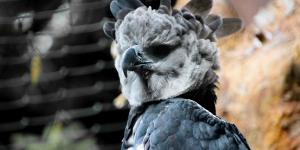
Ecuador's ecosystems are characterized by their great biodiversity, a biodiversity that is under threat. These threats have multiple causes, but human interference in natural ecosystems is one of the most significant. This includes the direct threats which come as a result of improper land development,...

Sheep are animals of the genus Ovis, a genus which is most noted for the different domestic sheep types. Due to the long period of domestication, domestic sheep have been generated into numerous breeds. There are also wild sheep in this genus, but they have not been domesticated and do not have breeds. All...

While they may appear quite different to other species, moose are actually a type of deer. What makes them different is that they are a distinct species, just how red deer, roe deer and other types of deer have their own differences. This may surprise you if you have seen different types of moose, since...

We may be aware of domestic pigs (Sus domesticus), even that there are many different breeds. However, this is only one species of animal from the family Suidae, also known as pigs or swine. There are various wild species in this family which can live in almost any corner of the world, although they seem...

The group of animals known as seals are known scientifically as pinnipeds. These are semiaquatic mammals which have an almost global distribution. Included within this group are members of the families Otariidae and Odobenidae, known more commonly as eared seals and walruses, respectively. True seals are members...

Badgers are part of the mustelid family, meaning they share common characteristics with mammals such as otters, wolverines and weasels, among others. As with these animals, they are adapted to a carnivorous lifestyle, although diet and other behaviors can vary according to species. Badgers are known for...

While we refer to the common raccoon (Procyon lotor) simply as the raccoon, this is a name which can apply to any member of the Procyon genus. While they differ in terms of distribution, markings and other characteristics, they have many similarities. These include their distinctive paws which have thumbs...

The diversity of reptiles in Spain is one of the richest in Europe, largely due to its varied climate. Spain is a country which has many different geographical features, habitats and climates, meaning many lizards species can adapt to different areas. In addition to lizards such as the gecko, there are snakes...

The saltwater crocodile, often called the "saltie," is the ultimate apex predator. With a legacy stretching back over 200 million years, it has honed its hunting techniques to perfection, ruling freshwater and coastal waters across Southeast Asia, Australia, and beyond. Standing at the top of its food...
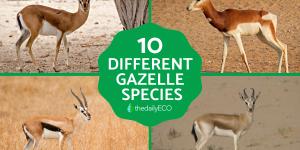
Gazelles are interesting animals in the antelope family. They are known for their speed and agility, which help them thrive in different environments. There are around 15 species found across Africa and parts of Asia, each with unique characteristics and adaptations suited to its habitat.
The following AnimalWised...

The different types of flamingos include the American flamingo (Phoenicopterus ruber), Chilean flamingo (Phoenicopterus chilensis), Andean flamingo (Phoenicoparrus andinus), puna or James's flamingo (Phoenicoparrus jamesi), greater flamingo (Phoenicopterus roseus) and the lesser flamingo (Phoeniconaias minor).
All...

Animals, a diverse group of living organisms, play a vital role in ecosystems worldwide. But what exactly makes an organism an animal? Animals, scientifically known as members of the kingdom Animalia, are defined by certain key characteristics that distinguish them from other life forms. Beyond these general...

Hyenas are animals that make up the family Hyaenidae. They are a mammal which seems to take characteristics from various other carnivorous animals to create a unique animal with very particular behaviors and traits. Although they more closely resemble dogs, they are genetically more similar to felines. Known...

If we are looking for Spanish dinosaurs, we need to clarify that we are asking what dinosaur fossils have been found in Spain. These prehistoric beasts are long extinct, but our knowledge of them stems from the fossil record which can be seen in the form of bones, coprolites, gastroliths or ichnites left...

When it comes to grouping the different iguana types, there is some confusion over their taxonomic classification. All iguanas are lizards from the family Iguanidae, although some of the members of this family are not iguanas. This is the case with the chuckwalla. The genus Iguana is the most associated...
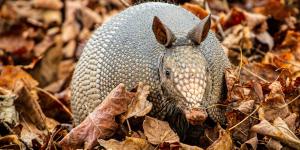
Although they may not appear very furry, armadillos are a type of mammal. As the name suggests, the giant armadillo is the largest armadillo species, but their larger size doesn't mean they are better protected against threats. Characterized by having a body covered by bony plates called scutes, the...

Ducks are versatile and widespread waterfowl that inhabit a diverse range of environments across the globe. With over 120 species identified, they can be found in nearly every part of the world, from serene lakes and rivers to bustling estuaries and marshes. Ducks vary significantly in size, color, and...
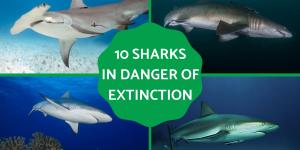
Some shark species are very populous, but others are facing significant threats in their marine environments. This is due to overfishing, pollution and other dangers to their habitats. Some of the most iconic species of shark are now in varying levels of endangerment, such as the great hammerhead shark (Sphyrna...

Gastropods are a vast and diverse group of mollusks, commonly known as snails and slugs. Gastropods showcase an extraordinary diversity of form and function. As the only mollusks to conquer both land and sea, these creatures have evolved remarkable adaptations to thrive in a wide range of habitats. Despite...

Moles are small mammals that belong to the order Eulipotyphla and the family Talpidae. They are specially adapted to live much of their lives underground. Most only have poor vision, while some are completely blind. Other physical adaptations such as shovel-like paws allow them to burrow underground....

Jellyfish are known for their ability to sting, maintaining this ability even when they are dead. It is a useful behavior which is used to both protect themselves from predators and catch their own prey. They are able to sting thanks to specialized cells on their tentacles called nematocysts. These cells...

Spain and the rest of the Iberian Peninsula are known for their rich biodiversity. This is partly due to the climactic and geographic diversity the country enjoys. These include sunny Mediterranean coastlines, temperate riparian forests, lush mountain ecosystems and even some desert territories. Despite...

Few of the most well-known dinosaurs are types of marine dinosaur. We might more often think of terrestrial dinosaurs such as those from the genera Tyrannosaurus or Velociraptor. There is a good reason for this, since there technically are no true marine dinosaurs. When we think of prehistoric animals,...