
Facts about animals
104 articles

Although they tend to proliferate in warmer climates, only the Antarctic and Iceland are known to be territories with no evidence of mosquitoes. This means most of us have likely encountered a mosquito at some point in our lives, even if only when traveling. If there are mosquitoes, there are usually mosquito...

If you are walking in nature and you come across a slippery animal croaking and hopping, you may find it difficult to know if you are witnessing a toad or a frog. Both are amphibians from the order Anura. They may have bulging eyes, strong hind legs, and slimy skin, but they are also noted for their great...

Bees tend to be either lauded or feared. They not only provide delicious honey, their ability to pollinate various plants essentially means we are able to continue living on this planet. While the concept of bees may be widely supported, individual bees can make people run for cover. This is thanks...

Turtles are long-lived reptiles that are characterized by the presence of a strong shell. This carapace covers their body, allowing them to protect their organs from predators. The diet of turtles varies according to species, of which there are over three hundred. Some live on land, freshwater or even...

The reason living things breathe is to get the oxygen they need and get rid of carbon dioxide waste. Plants and animals breathe in different ways. Firstly, plants mainly breathe in CO2, while animals use the gas that plants exhale, oxygen. Animals also have different forms of respiration, and although...
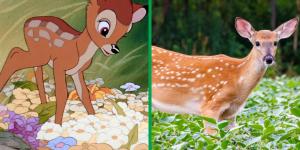
Bambi is a character that holds a special place in the Disney canon. While his adventures have brought great joy to many children since its 1942 release, there are elements of the story which have also proved somewhat traumatic. Although the story can become emotional, it has also helped with issues...
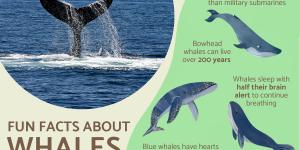
Whales belong to the order of cetaceans and are among the most studied marine mammals on our planet. They stand out for their size, adaptability to ocean life, distinctive songs, and unique respiratory system that requires surfacing for oxygen. These massive animals are full of surprises.
This article by...

Dragonflies are insects belonging to the order Odonata, widely distributed in aquatic ecosystems and renowned for their impressive flight capabilities. While commonly observed in natural settings, many interesting facts about dragonflies remain largely unknown to most people. These insects possess truly surprising...
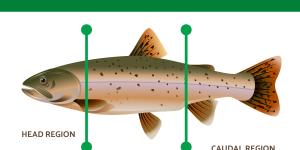
Have you ever thought about what makes fish such incredible swimmers? It all has to do with their body design. While we commonly call them "fish," these creatures do not actually belong to a single taxonomic group, but rather a diverse collection of aquatic vertebrates that share certain features. Most have...

Foxes occupy a unique space in our world. They're wild enough to maintain their mystery, yet adaptable enough to live among us. They star in our oldest folktales as clever tricksters and wise messengers, earning a cultural reputation that's surprisingly consistent across continents and civilizations....
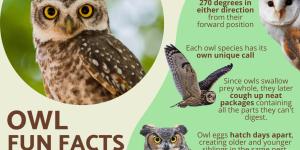
Owls have become ingrained in our stories, popping up as symbols of wisdom, spooky omens, or even messengers from other realms. They appear in our myths as symbols of wisdom, omens of death, or messengers from other realms. In Harry Potter, they deliver mail. In Native American traditions, they carry...
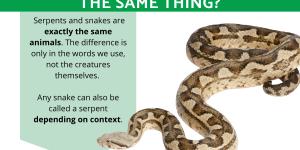
Are snakes and serpents the same thing? While they’re often used interchangeably, there are key differences in meaning, usage, and symbolism. In everyday language, both words may refer to the same animal, but “serpent” often carries deeper mythological or religious significance.
In this article by thedailyECO,...
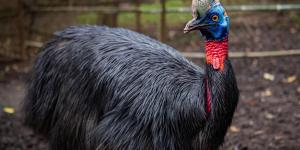
The southern cassowary (Casuarius casuarius) is considered the most dangerous bird in the world due to both its physical characteristics and its temperament. It is a large bird with long sharp claws at the end of very powerful legs. Other birds may also have similar characteristics, but the cassowary...
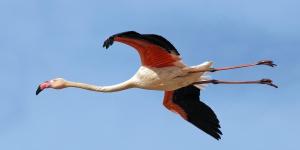
Yes, flamingos do fly. We may most associated them with standing in one place and doing so on one leg, but these birds have the ability of flight. Not only can flamingos fly, they are excellent fliers. As migratory birds, flamingos need to fly very long distances in search of food and a suitable place to reproduce....
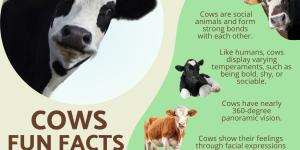
When we look at cows grazing peacefully in fields, most of us see simple farm animals. But beneath their calm exterior lies a world of surprising intelligence, complex social lives, and sensory abilities that science is only beginning to fully understand. Far from being the docile, unaware creatures they're...
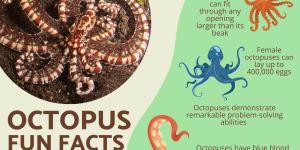
Octopuses are some of the most mysterious and intelligent creatures in the ocean. These eight-armed inhabitants of the deep are far more than just unusual-looking sea dwellers. With three hearts pumping blue blood through their bodies, a brain that extends into their limbs, and the ability to transform...
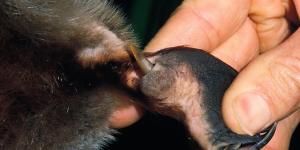
The platypus is one of nature’s most fascinating creatures, but did you know that this unique animal is also venomous? While most people associate venom with snakes and spiders, the male platypus carries a surprising defense mechanism—sharp spurs on its hind legs that can inject venom. But how dangerous is...
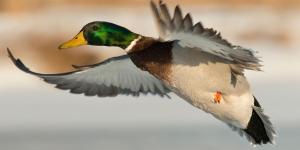
Most duck species can fly, although there are notable exceptions in both wild duck species and domestic duck breeds. Even among those able to fly, their ability can vary according to their needs. Not all flying ducks are migratory, so they may have less need to fly high or over long distances. Those that...
There are around 1,565,855 species of animals in the world, distributed among animal types such as mammals, birds, reptiles, amphibians, arachnids, corals, crustaceans and others. It is impossible to produce an exact number of the total animal species. This is due to both the limitations of studying animal...
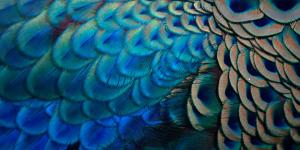
We all know feathers are essential for a bird's ability to fly, but their importance goes far beyond just taking to the skies. These structures, which are lightweight yet highly intricate, carry out a remarkable array of essential tasks that aid in the survival and welfare of birds through various and enchanting...
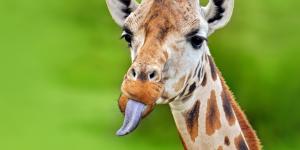
Known for their long necks, giraffes (Giraffa camelopardalis) also possess an equally amazing adaptation: their tongues. At 53 cm (20.8 inches) long and distinctively two-toned, these specialized organs are crucial for survival in the African savanna. Millions of years of evolutionary refinement are reflected...
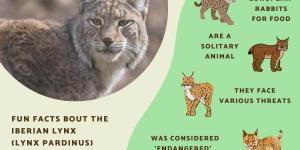
The Iberian lynx (Lynx pardinus) is one of four extant lynx species from the genus Lynx. Native to the Iberian Peninsula of Spain and Portugal, the Iberian lynx is one of the few apex predators left in the region. While numbers have been decimated over the years for various reasons, there in an encouraging...
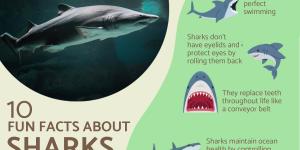
When you think of sharks, the image of a fearsome predator with rows of razor-sharp teeth might spring to mind. But these apex predators have dominated the oceans for over 400 million years, long before dinosaurs roamed the Earth. And the truth is, sharks are far more than Hollywood villains. In fact,...
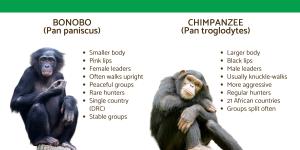
Bonobos (Pan paniscus) and chimpanzees (Pan troglodytes) are part of the same genus, Pan, and share 98.7% of their DNA. They also share over 98% of their DNA with humans. Although they split from a common ancestor about 1.7 million years ago, they have developed clear differences in their appearance,...
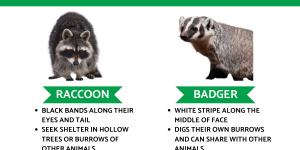
Both terrestrial mammals with similar markings, raccoons and badgers have certain differences with which we can easily distinguish them. These differences can be seen in their physical appearance, but also in factors such as habitat and behavior. For example, raccoons have black markings around their eyes,...
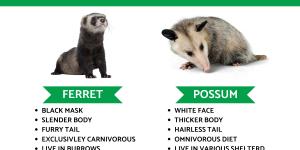
The ferret and the possum are different species, but they share similarities which mean some of us may confuse one for the other. They are both mammals that have slender bodies and narrowed faces. Their markings will depend on species, but they can both have dark and light patches on different parts of...
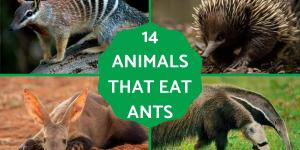
Myrmecophagous animals are those which eat ants or termites, especially if these insects constitute the majority of their diet. This can be used to contrast with insectivores which eat different kinds of insects in a more generalized way. Some insectivores may carry out myrmecophagy opportunistically,...

World Animal Day is celebrated on the 4th October every year. It is an event in honor of both the wild animals which are so essential to our global ecosystems, as well as the companion and working animals with which we share our lives. Not only is it designed to celebrate the beauty of these animals,...
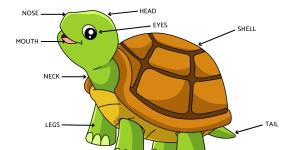
A turtle is known for its shell, from which its body emerges. Despite this hard carapace which it used for shelter and protection, the turtle anatomy include the body parts we expect from most reptiles. These include a head, legs and a tail. While all turtles will have the same basic body parts, some...

Camels and dromedaries are often confused for one another, but these two animals, while closely related, have distinct characteristics that set them apart. Both are well-adapted to harsh desert environments, yet their physical differences, habitats, and uses throughout history are unique. Understanding...
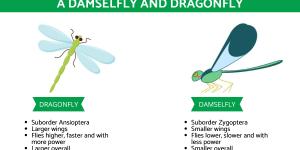
At first glance, damselflies and dragonflies seem to be very similar insects. While both are part of the order Odonata, they have some key differences. Such differences between dragonflies and damselflies can be seen in their wings, flight ability, body type and behaviors. While it may be difficult to distinguish...

Dolphins are carnivorous marine mammals. While they mainly feed on cephalopods and fish, some are known to kill other mammals. They can sometimes even kill large animals such as porpoises or even other dolphins, despite not feeding upon them. Many tours offer experiences where you can swim with certain species...
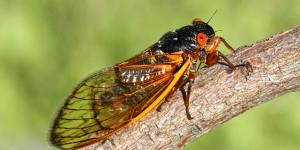
Cicadas make noise primarily for communication between males and females. During mating season, cicada need to alert each other that they are ready for reproduction. They may make this noise by contracting and relaxing muscles in a very rapid manner. While it sounds like clicking or chirruping, this distinctive...
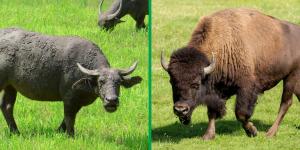
Among the differences between the water buffalo (Bubalus bubalis) and the bison (Bison sp.), greatly different geographic populations and habitat preferences stand out as some of the most significant. Other differences include the length of horn, density of fur and many others. thedailyECO provides a guide...
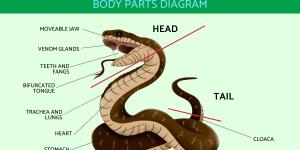
Snake anatomy is unique among reptiles. Most notably, they have a complete lack of limbs and a very elongated body which can be many feet in length. They also have specialized sensory organs, lidless eyes and other features, some of which are not common to all snakes. For example, some snake species...
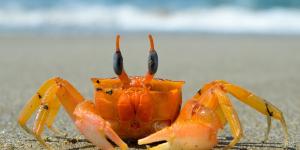
Crabs are invertebrate animals. Despite having a shell which acts as an exoskeleton, they do not have the definitive spinal columns which determine whether an animal is vertebrate or invertebrate. A lack of backbone is common to all crustacean species, not only crabs. While muscles are attached to bones in...
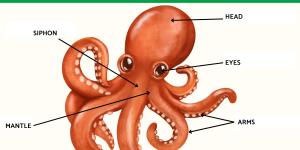
An octopus is a type of mollusk, a category of animals that also includes snails and clams. Despite being taxonomically very similar, they share certain key differences. For example, octopuses don't have shells and snails don't have eight arms. The anatomy of an octopus is very particular. Their head makes...
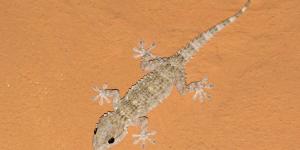
When asking whether geckos are poisonous, they are more likely wondering whether they are venomous. Geckos are a wide-ranging group of reptiles in the infraorder Gekkota. Many reptile species are considered highly venomous, meaning they have the ability to inject toxins into potential prey, usually for...
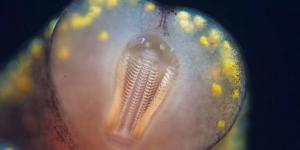
Snails are gastropod mollusks which can be terrestrial or aquatic. The latter can live in both freshwater or marine environments. When we look at the anatomy of a snail, we see their hard shell with which they are associated. Except for the shell, we may also be aware that they are soft and squidgy invertebrates,...
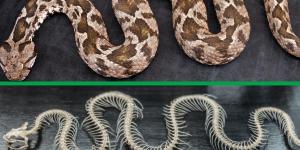
Like worms, snakes move in a sidewinding or reticular motion that allow them to traverse the ground without limbs. Worms are invertebrates which mean they lack a backbone by definition. Despite snakes often appearing like large worms, they are a very different animal. In fact, they are vertebrates because...
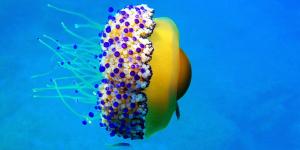
Also known as the Mediterranean jellyfish, the friend egg jellyfish (Cotylorhiza tuberculata) is the medusa stage of a sea jelly which lives mainly in European waters. Its common name is thanks to its distinctive shape and coloring, giving it the appearance of a fried chicken egg. The umbrella or bell...
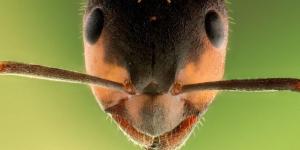
Everywhere you look, from bustling city sidewalks to the deepest jungles, ants crawl and conquer. These ubiquitous social insects have carved a niche in nearly every ecosystem on Earth. But beneath their seemingly familiar exterior lies a surprising truth: ants don't see the world in the same way we do....

The cow's stomach is polygastric, meaning it is made up of multiple digestive cavities. In the case of cows, they are an animal with 4 different stomach compartments. The parts of the cow's stomach are the rumen, reticulum, omasum and abomasum. Within these different cavities, the food is fermented to extract...
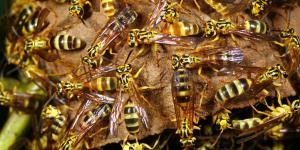
Wasps are a diverse group of insects, often overshadowed by their more celebrated cousin, the honeybee. However, these fascinating creatures are ecological powerhouses, playing crucial roles in both natural ecosystems and even benefiting some human activities. While their stings and territorial behavior...
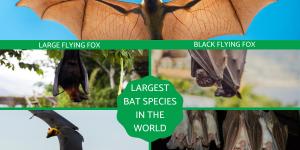
Bats are very diverse in terms of physical characteristics and behaviors. For example, some eat fruit, others famously eat blood. Size is a great differentiator in types of bat species. The largest bat in the world can be up to 5.6 ft long, while the smallest is under 6 inches. Although many people...

The question of whether animals feel pain has long intrigued scientists and philosophers. While a conclusive answer remains elusive, research indicates that animals, ranging from insects to mammals, do indeed experience pain similarly to humans. They possess nociceptors—specialized sensory neurons responsible...

World Otter Day takes place on Wednesday, 29th May 2024. This date has been celebrated since 2014 and arose as an initiative of the International Otter Survival Fund. The aim of this international day of otters is to raise awareness about otters in general, but also to help ensure their conservation. Sensitizing...

Turtles, also known as testudines, are reptiles instantly recognizable by their unique protective shells. Over 350 species roam the Earth, making them a diverse and widespread group. These incredible creatures can be found on most continents (excluding Antarctica), inhabiting a variety of environments – both...
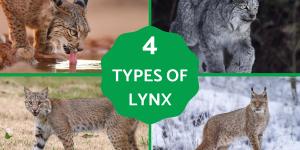
Lynxes are a type of large cat which collectively make up the genus Lynx. While not as big as some other wild felids, they are important carnivorous animals in their ecosystem which help to regulate the food web due to their status as apex predators. Each of the members of the genus have various similarities,...
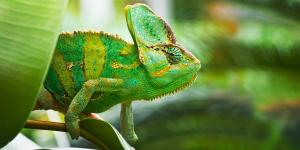
Chameleons are captivating reptiles renowned for their ability to shift colors seemingly at will. From vibrant greens that mimic rainforest foliage to fiery oranges that stand out on sun-drenched branches. But what drives this remarkable adaptation? The answer lies within a fascinating biological innovation:...