
What Is Cinnabar?

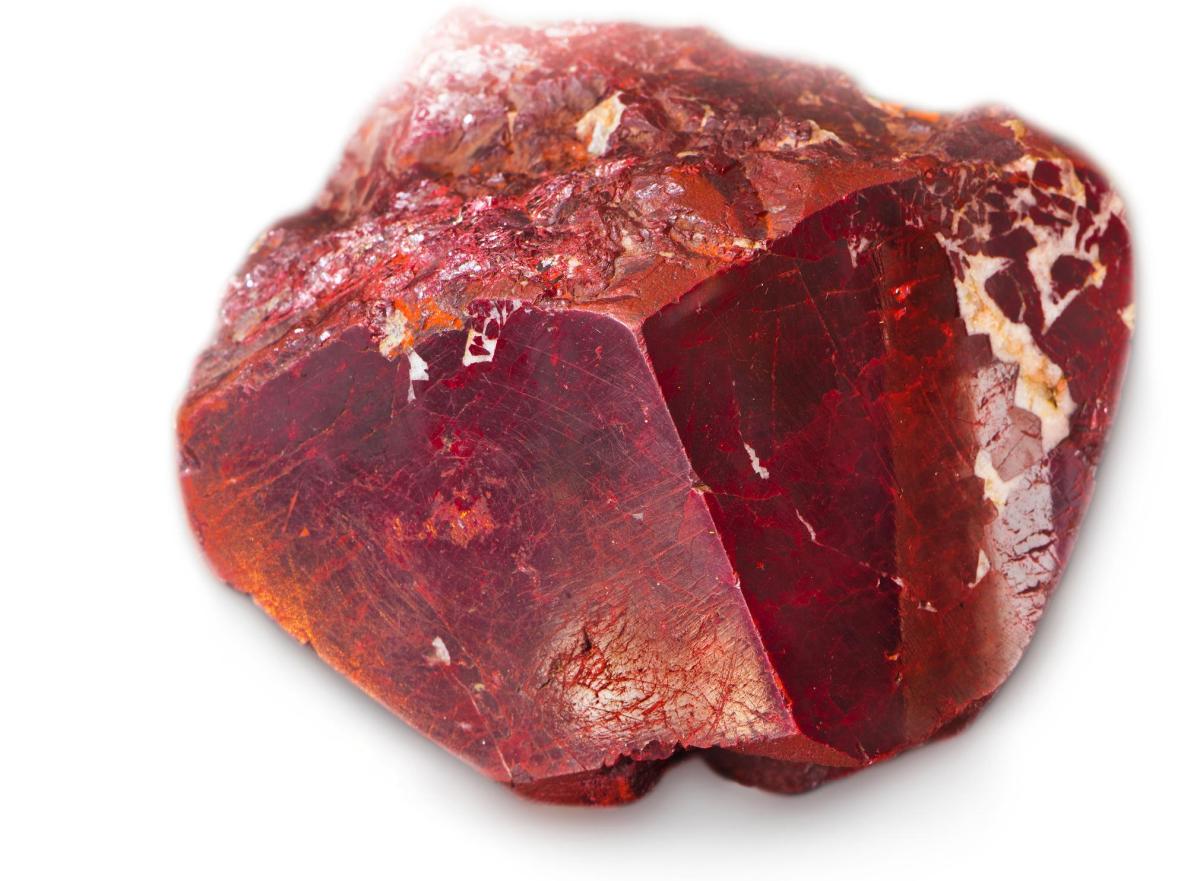
The striking red mineral known as cinnabar has fascinated people for centuries with its unique properties and versatile applications. It has been used for everything from pigment in art to medicine and industrial processes. Although it is highly prized for its bright color, the use of cinnabar also carries significant risks, as it contains toxic mercury.
In the following article from thedailyECO, we will explore the uses of cinnabar, its properties, and the risks associated with its use.
What is cinnabar?
Cinnabar or cinnoberite is a sulfide mineral containing about 85% mercury and 15% sulfur. Furthermore, it has the same chemical formula as mercury sulfide (HgS).
The mineral is characterized by its rare, striking crystal formations with triangular faces and a bright red, glassy luster that is highly prized by collectors. This unique appearance makes cinnabar a popular subject for mineral enthusiasts and collectors worldwide.
Not only is cinnabar a visually stunning mineral, it is also the world's most significant source of mercury. It is a highly toxic and valuable element used in a variety of industrial and medical applications. Due to its high mercury content, handling cinnabar can be dangerous and should be used with caution. Moreover, the historical significance of cinnabar extends to various cultures that have valued its vibrant color and unique properties throughout history.
Where can cinnabar be found?
Cinnabar deposits are often found in association with active hot springs in areas of volcanic activity, as well as in veins, which are fissures in the earth's crust filled with minerals. In addition, cinnabar can be found in impregnated deposits on porous rock. This makes it a common mineral in geologically active regions.
Cinnabar is found in various locations around the world, including China, Spain, Italy, Russia, Peru, and the United States. In these regions, cinnabar has been extensively mined and utilized for its valuable mercury content, contributing significantly to local economies and industrial activities.
Properties of cinnabar
Cinnabar is a mineral characterized by various properties, including:
- Cinnabar has a bright red color that can range from deep red to orange-red or brownish-red. This vibrant coloration is due to the presence of mercury in its composition.
- Cinnabar has a glassy or vitreous luster that gives it a lustrous appearance, making it attractive for use in jewelry and ornamental pieces.
- Cinnabar has a hardness of 2.0-2.5 on the Mohs scale, meaning it is a relatively soft mineral. This softness allows it to be easily carved and shaped for artistic purposes.
- Cinnabar has a relatively high density of about 8.1 g/cm³, which is higher than many other minerals. This high density is a direct result of its mercury content.
- Cinnabar crystallizes in the trigonal crystal system and typically forms crystals with a hexagonal shape. These crystal formations add to its aesthetic appeal for collectors.
- Cinnabar exhibits low cleavability, meaning that it does not break cleanly along specific planes. This characteristic can affect how it is processed and used.
- Cinnabar typically has an irregular to subconchoidal fracture, which means it breaks into shell-shaped pieces. This fracture pattern is another aspect that mineralogists study to identify and analyze cinnabar samples.
You may also be interested in this other article, where we discuss the properties of bicarbonate.

Uses of cinnabar
Cinnabar has been used for various purposes throughout history. In fact, the mineral has been found in artifacts from as far back as 3000 BCE in China, where it was used to create ceremonial vessels and other decorative objects.
Cinnabar was also prized by the ancient Greeks and Romans, who used it to create pigments for wall paintings and other forms of art. Its use as a pigment continued throughout the Middle Ages and Renaissance, with artists such as Leonardo da Vinci and Rembrandt relying on its unique red hue. This historical use underscores the mineral's enduring significance in human culture.
Here is a more detailed list of the uses of cinnabar:
- Pigment: Cinnabar's bright red color has made it a popular choice as a pigment in various forms of decorative arts throughout history. It was used in painting, pottery, and traditional Chinese painting, where it was called "menghui". To make the pigment, cinnabar was ground into a fine powder and mixed with a binder such as glue or egg yolk. The resulting mixture created a color that could be applied to surfaces. Its use as a pigment was widespread, and its bright red hue was highly prized for its vivid and lasting qualities. Furthermore, its use in pigment provided vibrant colors that were resistant to fading over time.
- Traditional medicine: Cinnabar, known as zhu sha in traditional Chinese medicine, has a long history of use for various purposes. It has been used as a treatment for syphilis and as a sedative. Additionally, cinnabar is often used to alleviate anxiety, insomnia, and heart palpitations. Apart from its medicinal uses, cinnabar is also used topically as a cosmetic to promote skin health and beauty. However, it should be noted that the toxic nature of cinnabar requires careful handling and stringent safety measures when used in medicinal practices.
- Alchemy: Cinnabar has a long history in alchemy, an ancient practice that involved turning base metals into gold and finding a way to prolong human life. In alchemy, cinnabar was considered one of the most important substances because of its high mercury content. It was believed that turning cinnabar into mercury and then into gold could bring enlightenment and immortality. Medieval and Renaissance alchemists considered cinnabar to be prima materia, the first matter from which all other metals were created. This belief highlights the mystical and symbolic roles cinnabar played in ancient scientific and philosophical systems.
Cinnabar mining
As you can see, cinnabar has been used for centuries for various purposes. Nowadays, cinnabar is mainly used for the production of elemental mercury. Cinnabar mining has been an important industry for centuries. The mineral is used to produce mercury, which in turn is used in various industrial processes, such as gold mining, the manufacture of electrical equipment, and the production of thermometers and barometers.
The mercury is extracted from the mineral through a process called roasting. In this process, the cinnabar ore is heated in a furnace, causing the mercury to vaporize and be released as a gas. The gas is then collected and condensed back into a liquid form, which is then purified and used for various industrial applications. This process, while effective, requires careful environmental management to prevent mercury pollution.
Is cinnabar toxic?
Cinnabar is a mineral that contains high levels of mercury. When cinnabar is handled, crushed, or heated, it can release toxic mercury vapors that can be inhaled or absorbed through the skin.
High mercury concentrations can lead to acute poisoning with symptoms such as tremors, muscle weakness, and cognitive impairment. The severity of these symptoms often correlates with the level and duration of exposure to mercury.
Chronic exposure to lower mercury concentrations can cause a number of health issues, including neurological disorders, kidney damage, and cardiovascular disease. Pregnant women and young children are particularly vulnerable to the toxic effects of mercury because it can damage developing organs and the nervous system.
The mining, processing, and use of cinnabar have resulted in the release of mercury into the environment, contaminating air, water, and soil, and posing a serious threat to human health and wildlife. Regulatory measures are essential to mitigate these environmental impacts and protect ecosystems.
Mercury is toxic to the environment because it is a persistent and bioaccumulative pollutant, which means it can remain in the environment for long periods and build up in the food chain. This accumulation can lead to serious ecological consequences, affecting a wide range of species and disrupting natural processes.
Don't miss out on the upcoming article which will provide you with a comprehensive understanding of environmental degradation, its various causes, and devastating effects on our planet.
If you want to read similar articles to What Is Cinnabar?, we recommend you visit our Environment (other) category.
- Higueras, PL, Esbrí, JM, & Noguero, EM (2018). Cinnabar, source of the only liquid heavy metal. Available in:
- Martinez, C. (2018). "The deadly beauty of cinnabar". Website: https://www.mncn.csic.es/es/comunicacion/blog/la-belleza-mortal-del-cinabrio
- (sn) “Cinnabar”. Website: https://es.wikipedia.org/wiki/Cinabrio


