
What Is the Perianth of a Flower?

 Add us on Google
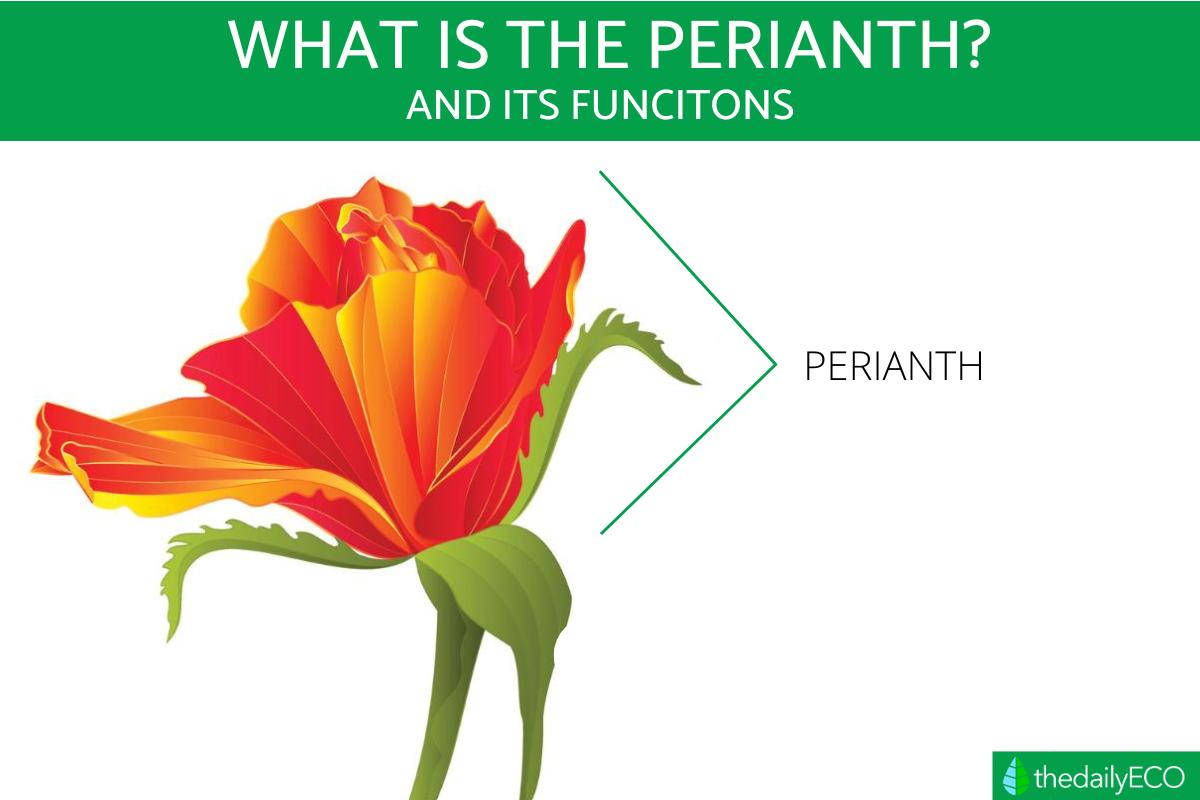
The perianth is the protective outer layer of a flower that encloses and protects the reproductive organs such as the stamens and pistils. Its functions go beyond protection, as the perianth can also attract pollinators and help identify different plant species. Therefore, understanding the structure and function of the perianth is critical for botanists and plant taxonomists, as it allows them to accurately classify and distinguish between different species of flowering plants.
The following article from thedailyECO explains what is the perianth and what its most important functions.
What is the perianth?
The perianth is the part of a flower that consists of the outermost, non-reproductive structures. It usually consists of the petals and sepals of a flower and is often brightly colored to attract pollinators.
The perianth plays an important role in the reproductive success of plants by attracting pollinators with its colors, patterns, and shapes. Once a pollinator is attracted to the flower, it often lands on the perianth and moves to the flower's reproductive structures, such as the stamens and pistils, where it deposits or receives pollen.
The perianth consists of two main parts: the calyx and the corolla.
- The calyx is the outermost part of the perianth and is typically green. It consists of individual structures called sepals, which are often small and leaf-like. The calyx serves to protect the flower bud before it opens.
- The corolla is the inner part of the perianth. The corona is a ring or crown-like structure located between the corolla and the stamens, and it can take on various shapes and sizes depending on the species of plant. It is usually brightly colored and consists of individual structures called petals. The corolla is typically the showy part of the flower and serves to attract pollinators with its colors, patterns, and shapes.
In some plants, such as lilies, the sepals and petals are indistinguishable and are called tepals. This structure is particularly interesting in certain plant families and can indicate evolutionary adaptations.
The perianth is also an important element for the classification of flowers, especially for the classification of angiosperms or flowering plants. The presence or absence, as well as the structure and arrangement, of the perianth can be used to identify and distinguish different flower types, which in turn can help in the identification and classification of plant species.
For example, the presence or absence of a perianth can help distinguish between the two main types of flowers:
- Aperientate: does not have perianth.
- Perianth: it has a perianth.
Within the perianth group, the presence of both calyx and corolla, or just one of these structures, can further subdivide the flowers into Dichlamydeous and Monochlamydeous.
- Monochlamydeous: known as apetal flowers because they have only one calyx. Usually, the sepals and petals have the same coloration.
- Dichlamydeous: in this case, the flower has two flower whorls, calyx and corolla, which either have petals and sepals of the same color, or they differ from each other.
In addition, the morphology of the perianth can also provide important information about the pollination strategies of plant species. The color, shape, and texture of the perianth may serve to attract specific pollinators, such as bees or birds, and facilitate the transfer of pollen. Furthermore, certain perianth structures can adapt over time to environmental changes, thereby enhancing a plant's survival and reproduction potential.

Functions of the perianth
The perianth plays an important role in the life cycle of flowering plants and fulfills several key functions:
- Protection: the perianth helps protect the flower's reproductive structures, including the stamens and pistils, from environmental stresses and physical damage. In certain harsh environments, this protective function is particularly critical, allowing plants to thrive despite challenging conditions.
- Attractiveness: the perianth can be brightly colored, patterned, or scented to attract pollinators such as bees, butterflies, and birds. This is important for fertilization of the plant, as pollinators transfer pollen from the stamens to the pistils, resulting in seed formation. In this context, the variety of colors and scents can be linked to specific pollinators, making the relationship between flowers and their pollinators highly specialized.
- Identification: the perianth can be used to identify different species of flowering plants, as the shape, size, and color of the perianth can vary from species to species. Botanists often rely on these variations to classify plants accurately.
- Adaptation: the perianth may be adapted to certain environmental conditions, such as temperature, humidity, or light. For example, some flowers have a perianth that opens or closes in response to changes in temperature or light to regulate pollination and prevent damage to reproductive structures. This adaptive mechanism ensures that the plant's reproductive processes are synchronized with the external environment.
Overall, the perianth is a critical element in the reproductive success of flowering plants, and its functions go beyond simple protection and support. The various structures and adaptations of the perianth have contributed to the incredible diversity and complexity of the plant kingdom. It should be noted that the interplay between the perianth and its environment can lead to fascinating evolutionary developments, showcasing the resilience and adaptability of plant life.
You may also be interested in this other article where we talk about what compound leaves are, their types and examples.
Do all flowers have perianth?
No, not all flowers have a perianth. Some flowers lack a perianth altogether, and their reproductive structures are exposed to the environment. These types of flowers are called apetal or naked flowers. Examples of apetal flowers include willow and oak. However, most flowers have a perianth consisting of either a calyx or corolla or both.
Examples of flowers with a calyx:
- Orchids (Orchidaceae family)
- Lavender (Lavandula spp.)
- Tulips (Tulipa spp.)
- Fuchsia (Fuchsia spp.)
Examples of flowers with a corolla:
- Daisies (Asteraceae family)
- Lilies (Lilium spp.)
- Irises (Iris spp.)
- Petunias (Petunia spp.)
- Morning glories (Ipomoea spp.)
- Snapdragons (Antirrhinum spp.)
Examples of flowers that have both a calyx and a corolla:
- Daffodils (Narcissus spp.)
- Sunflowers (Helianthus spp.)
- Marigolds (Tagetes spp.)
- Pansies (Viola spp.)
It should be noted that the absence of a perianth in certain flowers, such as those found in some gymnosperms, reflects an evolutionary adaptation to their specific pollination strategies and environments. You may be interested in this other article where we explain what gymnosperms are, their main characteristics and differences from angiosperms.
If you want to read similar articles to What Is the Perianth of a Flower?, we recommend you visit our Biology category.


