
Ecosystems
72 articles
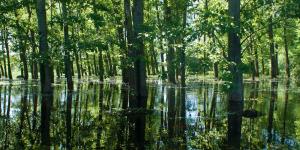
Also known as flooded forests, freshwater swamp forests are characterized by periodic flood by bodies of water such as rivers or lakes. While this flooding can be seasonal, it can be more frequent in certain areas. Their duration and the depth of the flooding can also vary according to region and the...
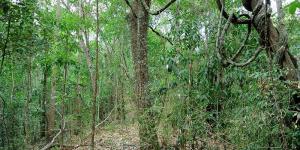
Also known as tropical dry forests, dry forests are a relative description. While rainforests have periods throughout the year when there is more rainfall, high rainfall occurs throughout the year. In a dry forest, there are distinct wet and dry seasons with periods of little to no rain. As with rainforests,...
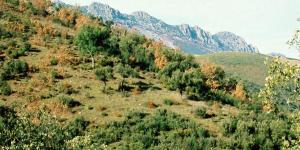
A sclerophyllous forest is an ecosystem characterized by the presence of vegetation adapted to Mediterranean climate conditions. This is largely defined by its dry summers with hot temperatures and wet winters which are relatively mild. The flora and fauna of these ecosystems have specific adaptations to...
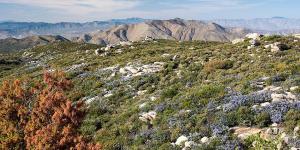
A chaparral is a biome characterized by dense and shrubby vegetation which have a Mediterranean climate. The latter means they have dry summers and went winters. This type of biome is most associated with the United States, but there are chaparrals outside of the US such as in the Mediterranean basic, Chile,...
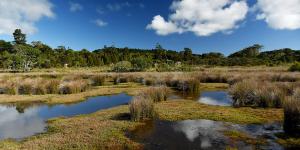
We know that different ecosystems can vary greatly in terms of biodiversity and geographical features. However, we can define ecosystems by certain characteristics. For example, a marine ecosystem is defined by saltwater and a desert ecosystem is defined by a lack of precipitation. One of the most defining...
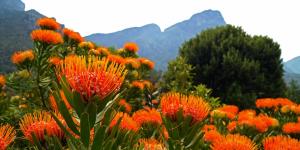
Fynbos is the term for a type of vegetation characteristic of the southwestern region of South Africa, known for its extraordinary biodiversity and adaptations to its Mediterranean climate. This ecosystem is part of the Cape Floral Kingdom. It is one of the world's six floral kingdoms and is home to a rich...
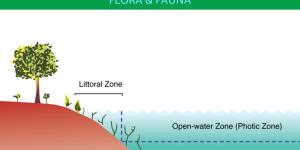
Bodies of water such as oceans and lakes have different characteristics depending on the part in question. When the body of water is sufficiently large, it can be divided into various parts known as zones. These zones have varying characteristics, influenced by various factors. One of the most important is...
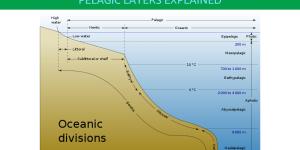
The pelagic zone is a part of the open ocean which is divided into different layers. It begins horizontally at the end of the neritic zone, but extends vertically from the surface to the depths of the ocean. The different layers of the pelagic zone have different characteristics, impacting the types...
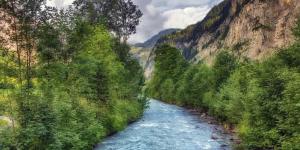
Lotic ecosystems are freshwater ecosystems which have dynamic currents of water, as opposed to those bodies of water which are relatively stagnant. Aquatic ecosystems are defined by various factors, such as size or temperature with the level of salinity being a major determinant. Movement is a categorization...
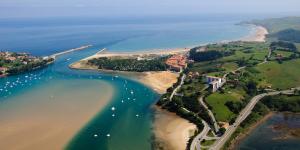
Have you ever stood at the edge of a river, gazing out towards the vast ocean, and wondered what happens where the freshwater meets the salty sea? The answer lies in a fascinating and crucial coastal ecosystem: the estuary. These dynamic zones, where rivers and oceans collide, are a blend of freshwater...
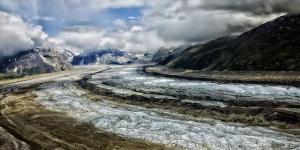
Tundras are geographical areas which are characterized by short growing seasons, harsh conditions and other limitations for the development of life. While these geographical areas constitute a biome, each tundra biome can have various ecosystems within it. They are all subject to certain types of landscape,...
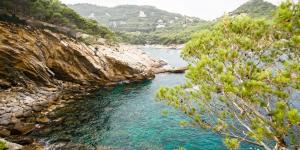
The coastline is a transition area between land and sea that encompasses a diversity of coastal ecosystems. These ecosystems are of great importance for both natural and human life. Coastlines vary greatly in term of geographical formation, ranging from sandy beaches to coral reefs. These dynamic environments...
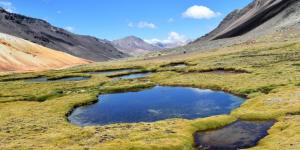
Lentic ecosystems are aquatic ecosystems associated with lakes and other slow-moving bodies of water. As they are a type of ecosystem, they are used to refer to how plant and animal life interacts with their environment as a community. In this case, it is a lentic environment. The types of life which...
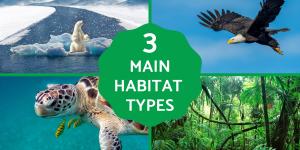
Our planet thrives with life, a vibrant tapestry woven across diverse environments. From the sun-drenched stratosphere to the crushing depths of the ocean, a multitude of habitats provide the stage for this extraordinary biodiversity. While habitats seem infinitely varied, we can broadly classify them...
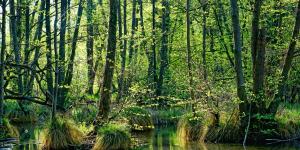
Swamps often get a bad rap – murky, mysterious, and maybe even a little monstrous. But look beyond the surface, and you'll discover a fascinating and vital ecosystem teeming with life. These unique wetlands are characterized by their waterlogged soils and the presence of standing water, creating a dynamic...
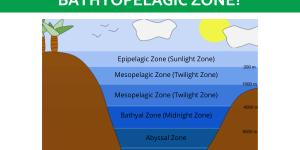
Our planet's oceans hold a hidden world, a vast realm shrouded in perpetual darkness. This region, known as the bathypelagic zone, plunges from 1,000 to 4,000 meters below the surface. Sunlight never reaches these depths, yet the bathypelagic zone teems with life. Extraordinary creatures, adapted to the...
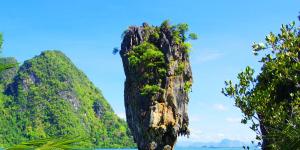
Stacks are prominent rock formations present in various geographical environments, providing prominent elements in the configuration of the natural landscape. While there are geological stacks present inland, we may me more familiar with sea stacks than land stacks since they are more revered for their...
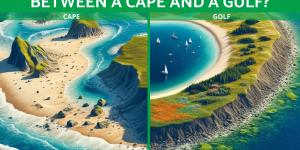
Have you ever gazed out at a dramatic coastline and wondered about those landforms jutting into the sea or the deep indentations carving inland? These captivating features, capes and gulfs, represent opposite yet fascinating interactions between land and water.
This article from thedailyECO dives into the...
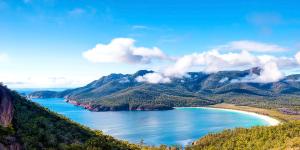
A bay in geography is a natural coastal inlet of a large body of water such as a sea, ocean or lake that has a considerable area, but is generally smaller than that of a gulf. Such a coastal relief can be the result of various geological processes such as coastal erosion, glacial movement, volcanic activity...
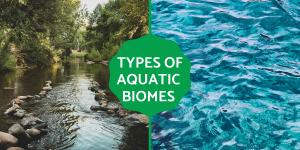
Our planet is a watery world, with aquatic biomes covering a vast majority of its surface. These biomes are classified based on factors like salinity (salt content) and water movement. Understanding aquatic ecosystems isn't just for curious minds. It's crucial for ensuring the health of our planet and...
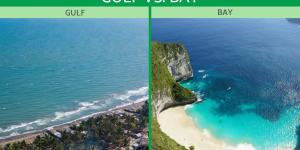
Like many geographical features, it can be difficult to differentiate between a gulf vs. bay. They are very similar coastal areas, surrounded both by bodies of water and land on either side. There are some notable differences which can lead us to describe one or the other. These differences can be found...
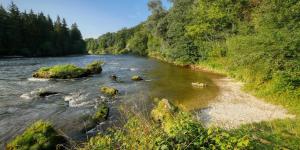
Riverbanks are ecosystems that line the shores of rivers, creating a seamless transition between the aquatic and terrestrial worlds. These dynamic zones are teeming with life, hosting a rich variety of flora and fauna uniquely adapted to the distinct conditions they offer. As well as providing shelter and...