
Plant care and gardening
202 articles

Fir trees are coniferous trees which make up the genus Abies. There is actually a diverse range of fir tree types, but they all have similar characteristics, especially the fact they are evergreen. This is one of the reasons they are most associated with Christmastime since a Christmas fir will still...
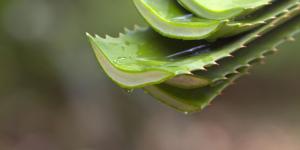
Aloe vera is a popular plant, known for its thick, gel-filled leaves that offer a range of health and skincare benefits. Many people cut aloe leaves to harvest this gel, whether for soothing sunburns, moisturizing skin, or using it in DIY remedies. But what happens after a leaf is cut? Can the same leaf...

Vertical gardening is a fantastic way to maximize outdoor space while adding greenery and beauty to walls, fences, and trellises. Whether you're looking to enhance your garden's aesthetics or create a lush privacy screen, hardy climbing plants are an excellent solution. These resilient growers can thrive...
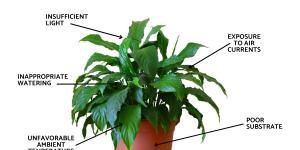
Peace lilies are flowering plants which make up the genus Spathiphyllum, of which there are around 60 individual species and many other cultivars. In addition to their dark green, glossy and elliptical leaves, peace lilies are known for their beautiful blooms. While they are still beautiful without inflorescence,...
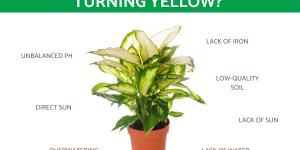
Dumb Cane, also known as Dieffenbachia, is a popular houseplant known for its striking, broad leaves and easy care. However, if you’ve noticed your Dumbcane’s leaves turning yellow, it could be a sign that something’s not quite right. Yellowing leaves can be caused by a variety of factors, including watering...

The cottony cushion scale (Icerya purchasi) is a notorious pest that can wreak havoc on a variety of plants, especially citrus trees. They feed on plant sap, causing direct damage to the plant tissue. Heavy infestations can lead to severe sap depletion, weakening the plant and stunting its growth. Characterized...
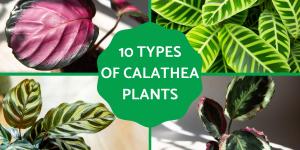
Commonly known as prayer plants, calatheas are plants which can be found in the genus Calathea. While there are around 200 individual calathea species, there are many hybrids of individual species which can be incredibly diverse in terms of appearance. All calathea plants have certain shared characteristics....

Growing pothos in water is a simple and rewarding way to enjoy this popular, low-maintenance houseplant. Known for its lush, trailing vines and heart-shaped leaves, pothos thrives in a variety of conditions, making it an ideal choice for beginners. Unlike many plants that require soil, pothos can grow...

The Strelitzia Nicolai, commonly known as the Wild Banana, is a striking plant that brings a tropical touch to any indoor or outdoor space. With its large, lush leaves and tall stature, this plant is a favorite for creating a bold, natural statement. However, to keep your Strelitzia Nicolai thriving,...

Even the smallest of outdoor spaces can be transformed into something beautiful with the right hanging plant. Whether you are fortunate enough to have a large terrace or simply want to adorn a window, hanging plants can brighten even the dullest spaces. These can be beautiful adornments on their own, but...

Pothos plants (genus Epipremnum) are versatile houseplants prized for their adaptability and low-maintenance care. With their trailing vines and attractive foliage, they're a popular choice for adding greenery to indoor spaces. Often used in hanging baskets, as ground cover, or on shelves, pothos plants...

Morning glory (Ipomoea purpurea) is a prolific plant often found in open fields and along roadsides, where it can quickly cover landscapes with its vibrant blooms. While it is considered invasive in some regions and even banned in certain areas due to its rapid spread, it can make a beautiful addition to...

Pink blossoms are some of the most beautiful flowers we can witness in nature. While we may associate them with ornamental plants or shrubbery such as pink roses, they can also be found on trees. At thedailyECO, we provide 10 fruit trees that have pink flowers. These include the mimosa tree, pink trumpet...

Uncover the essential tips for nurturing your bird's nest fern (Asplenium nidus), a tropical epiphyte celebrated for its striking, nest-like fronds. This guide will reveal how to provide the perfect care for your fern, including ideal watering practices, the best substrates, and effective methods for...

The firecracker plant or firecracker flower is a flowering plant with the scientific name Crossandra infundibuliformis. Many plants of the Crossandra genus are known for their brightly colored flowers, but the firecracker plant is particularly well-known for its beautiful orange blooms which look like licks of...

Different plants need different nutrients to survive, but there are certain basic components which a substrate needs for a plant to grow. Universal soil is a potting which which is enriched and balanced to cover most of these basic needs. It doesn't mean all plants can grow in universal soil, but universal...

The national flower of Colombia is a type of orchid known as the Flor de Mayo (Cattleya trianae) or ‘May flower’, although it is also sometimes known as thew ‘Christmas orchid’. It is an epiphytic flower, meaning that it lives on another plant without feeding on it. It is endemic to tropical areas such...

Planning a well-deserved getaway? But before you pack your bags, let’s ensure your beloved plants thrive in your absence. Leaving your plants unattended for an extended period can be a daunting task, especially during the harsh summer or winter months. Don't let your green companions wither while you're...

Although it is also known as a sword fern or fishbone fern, Nephrolepis exaltata is commonly known as the Boston Fern in the US. As a type of fern, it is one of the oldest living organisms which has survived various geological and climactic changes. It was one of the first plants to develop a vascular...

Diatomaceous earth is a natural substance derived from the fossilized remains of microscopic algae called diatoms. Over millions of years, these diatom shells have accumulated to form a white, powdery deposit. This unique composition makes diatomaceous earth a versatile material with a wide range of applications,...

Cacti and succulents are prized for their resilience and low-maintenance care requirements, making them popular choices for indoor and outdoor gardening. To truly appreciate these extraordinary plants, understanding their specific care requirements is essential. One of the most crucial factors in their...

Plants from the genus Ficus are known as fig trees, but many are kept as indoor plants. One of the most common is the weeping fig (Ficus benjamina). While this plant can grow into a very large tree, it is often kept potted indoors as a plant. It is relatively easy to care for and is a fairly robust plant for...

Known commonly as bloodleaf plants, species of the genus Iresine are flowering tropical plants which have strikingly beautiful leaves. Not all species have leaves the color of blood, but popular plants kept in the home and garden include the Herbst's bloodleaf (Iresine herbsti). Despite their tropical...

Plants are categorized according to various criteria, such as their life cycle, reproductive methods and flowering. One of the most evident ways to classify plants is by their leaves. Plants with heart-shaped leaves are some of the most highly appreciated plant species in homes and gardens. Even when...

This versatile plant is a favorite for both beginners and experienced plant owner. It is known by its stunning glossy leaves, air-purifying properties and low-maintenance needs. Whether you're a new plant parent or short on time, the Schefflera can thrive in your home.
In this article by thedailyECO,...

Thunbergia grandiflora is a flowering plant with many common names, including the trumpet vine, blue thunbergia and the Bengal clockvine, among others. As these common names suggest, Thunbergia grandiflora is a vine, i.e. a plant with parts that trail or climb onto other surfaces. The blooms of the trumpet...

Who doesn't dream of a lush, cascading green oasis in their home? Indoor climbing plants make this dream a reality! These beautiful plants not only bring nature's vibrant touch to any room but also purify the air and create a peaceful atmosphere. Whether you're a seasoned plant lover or new to gardening,...

Tubers are unique structures present in various types of plant which are able to store water and nutrients. These nutrients are necessary for the growth of the plant, but they are also the reason they have become very important foodstuffs for humans. They are known to be very nutritious, although different...

We associate chemicals in agriculture with negative impacts on the environment. Whether it is surface runoff leading to water pollution, harmful pesticides poisoning local wildlife or degradation of the soil, chemicals can spell disaster for many agricultural areas. Such associations are valid, but they...

Do you want a garden full of bright and bold blooms? Big, colorful flowers attract pollinators like bees, butterflies, and hummingbirds because of their eye-catching looks. These large flowers come in many vibrant colors, adding cheerful pops to your garden. Plus, many of these flowers have strong, pleasant...

Tulips are flowering plants from the genus Tulipa which are known for their large flowers that bloom in a range of majestic colors. They are popular in gardens, but can also be given as gifts in bouquets. While the type of tulip given as a gift may simply be due to preference for a certain shade of flower,...
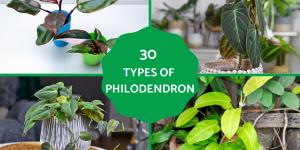
The genus Philodendron incorporates a variety of flowering plants which all share certain characteristics. While all are native to tropical regions and have aerial roots, all philodendron types are perhaps best known for their large, heart-shaped leaves. These glossy green leaves do vary according to...

Deciduous trees are a fascinating and integral component of temperate ecosystems. These trees, which shed their leaves annually in response to changing weather conditions, are a perfect example of nature's adaptability and resilience. Found predominantly in regions with distinct seasonal variations,...

The trees of Spain are diverse in nature, largely due to the diversity of the country's ecosystems and climate. It is estimated there are around seven million types of Spanish trees, although it is hard to achieve a firm number. Although there are many deciduous trees, there are more species of evergreen...
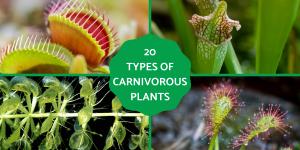
The different types of carnivorous plants in the world are often endemic to subtropical regions, although they are found in more temperate regions and even in cold boreal climates. Although they have such a wide population distribution, they are relatively rare in the plant kingdom. Despite this rarity, they...

Have you ever noticed your once vibrant houseplants losing their green color and turning a pale yellow? This might indicate chlorosis, a common disease that prevents plants from producing chlorophyll. Chlorophyll is the magic ingredient that allows plants to convert sunlight into energy for growth, so when...

Pothos, also known as devil's ivy or golden pothos, is a popular indoor plant known for its glossy green leaves that can trail or climb. While pothos plants are relatively easy to care for, yellow leaves can indicate underlying issues. It's important for plant owners to understand the potential causes...

Also known as Geraldton waxflower, the Geraldton wax (Chamelaucium uncinatum) is a flowering plant from Australia which is growing in popularity among professional horticulturists and amateur gardeners alike. It has different varieties with their own colors of flowers, ranging from white to pink, with several...

Is your aloe vera looking less vibrant than usual? Aloe vera is known for being a fairly resilient plant, but it's not completely resistant to everything. It can be susceptible to certain diseases and pests, especially if not cared for properly. By identifying the cause, you can unlock the right solutions...

Azaleas are small shrubs or bushes which are part of the Rhododendron genus. They are distinguished from other types of rhododendron by many differences, but one of the easiest ways to tell them apart is that azaleas have about half as many anthers in their flowers. Although there is much variety within...

The best indoor plants for the living room include the male fern (Dryopteris filix-mas), spider plant (Chlorophytum comosum), Panama rubber tree (Castilla elastica), golden pothos (Epipremnum aureum), polka dot plant (Hypoestes phyllostachya), song of India (Dracaena marginata), moth orchid (Phalaenopsis...

Vines are plants which have the ability to trail or climb, doing so with tendrils, aerial roots or twining stems. While not all climbing plants are vines, vines are some of the most commonly used in homes and gardens across the world. As they are able to adhere to and grow on a variety of surfaces such...

Monsteras, with their stunning fenestrated (holey) leaves, have become a must-have for modern plant lovers. Whether you favor the sprawling M. deliciosa or the charming M. adansonii, these beauties are generally easy to care for. However, even the most low-maintenance plant can throw you a curveball....

Peat moss is one of the most used materials as a substrate both in gardening and agriculture. There are different types of peat used in gardening, but all of them are known as peat moss. Although it is made from similar organic material, the peat moss used in gardening is different from the peat used as a...

With its unique appearance, the mikado plant is a beautiful addition to many indoor spaces. It is a cultivar of Syngonanthus chrysanthus, specifically Syngonanthus chrysanthus ‘Mikado’. It is an easy-to-grow plant which can thrive in various conditions. Its distinct form means it can be a very special addition...

Chelation is a process whereby metal ions are bonded to other molecules to create the resulting metal chelate. When iron is the metal involved, the result is a product known as chelated iron. They are often chelated to amino acids such as glycine or synthetic organic compounds such as EDTA and EDDHA. The...

Canary Island ivy (Hedera canariensis) is a woody climbing plant, endemic to the Canary Islands and the Atlantic coast of North Africa. While its origins are in these hot regions, they have become a popular plant in homes and gardens around the world, especially when used to decorate walls and trellises....

Plant stems are not always rigid and upright. In fact, you may have observed that some plant stems bend or lean in various directions. The phenomenon of stem bending in plants can occur due to several factors, and understanding the underlying causes is crucial for effective plant care. Whether you are an avid...

Some flowers are more expensive than others for various reasons. These include rarity, availability and even seasonal factors. Location is also a very important factor since some flowers will be cheaper in their native countries, but be more expensive in areas where they need to be grown in conditioned...

Kiryuzuna is a substrate of Japanese origin used in bonsai that serves for water drainage, water retention, maintaining pH levels, root aeration and iron contribution. Bonsai cultivation is a complex art that requires the skillful use and knowledge of techniques such as cutting, wiring or pruning. Each individual...